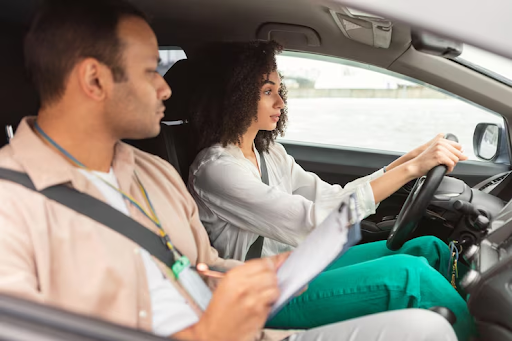
A qualified driving instructor can transform a nervous new driver into a confident operator who understands defensive driving principles and makes smart decisions on the road.
The relationship between student and instructor is crucial because it directly influences not only whether the student passes their driving test, but also the fundamental attitudes, habits, and skills they carry throughout their driving lifetime.
Understanding what distinguishes exceptional instructors from average ones helps you find driving instructors who will provide the quality instruction your student deserves.
The Critical Role of a Professional Driving Instructor
Unlike learning from a family member or casual mentor, a professional driving instructor brings structured expertise, formal training, and objective perspective to driver education. Professional instructors have completed comprehensive training programs, passed certification examinations, and understand the psychology of learning and skill development. They know how to assess student capabilities, identify areas needing improvement, provide constructive feedback, and adjust their teaching approach based on each individual’s learning style and pace.
Beyond technical knowledge, excellent instructors create an environment where students feel safe to make mistakes, learn from them, and progressively build competence. This psychological safety is essential for skill development, particularly with anxious or hesitant learners who might otherwise develop driving anxiety that persists for years.
Essential Qualities of Exceptional Driving Instructors
The best driving instructors possess several distinguishing qualities. Patience is paramount—they understand that learning to drive involves managing multiple complex tasks simultaneously while processing new information. Good instructors explain concepts clearly, repeat explanations when necessary without frustration, and celebrate progress to maintain student motivation.
Professionalism and credibility matter greatly. Exceptional instructors maintain composure in stressful situations, model safe driving behavior consistently, follow all traffic laws themselves, and dress and communicate professionally. Students learn not just from instruction but from observing their instructor’s approach to real-world driving situations.
Communication skills distinguish average instructors from excellent ones. Great instructors explain the “why” behind techniques, not just the mechanics. They help students understand the reasoning behind traffic laws, the physics of vehicle handling, and the consequences of unsafe decisions. This conceptual understanding transfers more effectively to new situations than rote memorization of procedures.
Adaptability is crucial because every student learns differently. Some students learn through explanation, others through demonstration, still others through hands-on experience. Exceptional instructors recognize individual learning preferences and adjust their approach accordingly. They also recognize when a student needs to progress quickly versus when additional practice on specific skills would be beneficial.
Genuine care for student safety distinguishes professional instructors from those simply collecting paychecks. You can sense whether an instructor truly prioritizes safety and skill development or is rushing through lessons without attention to quality. An instructor who frequently intervenes to prevent mistakes, emphasizes defensive principles, and won’t move forward until foundational skills are solid is demonstrating genuine commitment to student welfare.
The Importance of Instructor Certifications and Training
Professional driving instructors must meet specific requirements established by state motor vehicle departments. In California, driving instructors must obtain a commercial driver’s license, complete approved instructor training programs, pass background checks, and maintain current CPR certification. When searching for driving instructors near me, verify these credentials. Certified instructors have demonstrated competence and commitment to professional standards.
Additionally, many top instructors pursue continued education beyond minimum requirements. They attend workshops on new teaching methodologies, learn about vehicle technology advancements, and study the latest research on driver education effectiveness. This ongoing professional development indicates commitment to excellence.
Behind-the-Wheel Teaching Methodology
Excellent driving instructors follow structured, progressive teaching approaches. Initial lessons focus on fundamental vehicle control—steering, acceleration, braking, and basic maneuvers—in low-traffic environments where the student can build confidence without overwhelming stimulus. As competence grows, instructors gradually introduce more complex scenarios—busier roads, various weather conditions, highway driving, and challenging situations like parallel parking or navigating heavy traffic.
Quality instructors use varied teaching locations to expose students to the specific driving environments they will encounter regularly. A student learning to drive in the Bay Area benefits from instruction on local roads, highways, and in traffic patterns typical of the region. This localized approach creates better transfer of skills to independent driving.
Specialized Instruction for Different Needs
Some students benefit from specialized instruction approaches. Anxious drivers may require instructors experienced in building confidence and managing driving anxiety. Teenage drivers benefit from instructors trained in adolescent development who understand age-appropriate risk factors and can teach decision-making skills. Drivers returning after long absences need instructors who can efficiently refresh skills and update knowledge of changed traffic laws.
Look for driving instructors near me who acknowledge different student needs and either specialize in specific areas or communicate honestly about the types of students they work best with.
The Impact of Instructor-Student Rapport
While professional distance is important, the best instructors also build positive rapport with students. Students learn more effectively when they respect their instructor, feel heard and understood, and believe the instructor genuinely wants them to succeed. Positive relationships also increase student motivation, reduce anxiety, and create an environment where students feel comfortable asking questions and admitting confusion.
However, this rapport should never compromise the instructor’s professional judgment about readiness. An excellent instructor cares enough to be honest when a student isn’t ready for the driving test or needs additional practice in specific areas, even if that delayed progress might disappoint the student initially.
Using Feedback Effectively
Great instructors provide specific, actionable feedback. Rather than vague comments like “good job” or “you need to do better,” exceptional instructors explain precisely what the student did well and why, and what specific improvements would enhance performance. This detailed feedback helps students understand exactly what to focus on and practice independently between lessons.
Conclusion
Choosing the right driving instructor significantly impacts your student’s development as a safe, competent driver. Look for instructors who are certified, patient, communicative, adaptable, and genuinely committed to student safety and skill development. Search for driving instructors near me who combine professional credentials with genuine teaching skill and student-centered approaches. The investment in quality instruction during these formative driving years pays dividends throughout a student’s lifetime, reducing accident risk and establishing foundation patterns of safe, responsible driving that persist for decades.