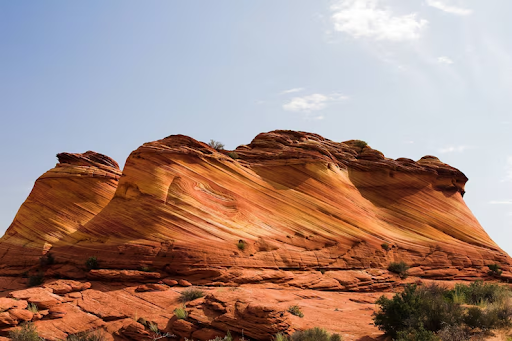
Arizona attracts millions of visitors annually seeking diverse experiences—dramatic natural landscapes, cultural treasures, outdoor adventures, and unique desert living. An arizona trip planner helps visitors navigating Arizona’s diverse attractions, creating balanced itineraries maximizing experiences within available time. Arizona’s size (113,998 square miles) and geographic diversity—from Grand Canyon’s northern plateaus to Phoenix valley heat, from Sedona’s red rocks to southern desert ecosystems—require thoughtful planning ensuring comprehensive experiences. Understanding Arizona’s key attractions, regional differences, optimal seasons, and strategic itinerary planning enables creating memorable Arizona vacations matching diverse interests and schedules.
Understanding Arizona’s Geographic Diversity and Attractions
Arizona offers remarkably diverse experiences.
Northern Arizona and Grand Canyon Region
Northern Arizona centers on the iconic Grand Canyon—the Colorado River’s massive canyon carving. Grand Canyon represents world’s most impressive natural wonder, attracting over 4 million annual visitors. Beyond the canyon, Northern Arizona offers Flagstaff’s mountain town charm, Sedona’s stunning red rock formations, and numerous hiking trails through pine forests and desert landscapes.
Central Arizona and Phoenix Valley
Central Arizona encompasses Phoenix metropolitan area, Arizona’s largest population center. The valley offers diverse attractions: Desert Botanical Garden’s remarkable desert plants, Taliesin West architectural school, Camelback Mountain hiking, Papago Park, and numerous museums, galleries, and dining establishments. Phoenix’s suburban sprawl extends to affluent communities like Scottsdale offering luxury resorts, spas, golf courses, and upscale shopping.
Southern Arizona and Tucson
Southern Arizona features Tucson, Arizona’s second-largest city, surrounded by desert mountains and iconic saguaro cacti. Regional attractions include Saguaro National Park, Arizona-Sonora Desert Museum (premier desert wildlife facility), Colossal Cave Mountain Park, and access to Mexican border culture. Southern Arizona also encompasses Bisbee mining town and Tombstone’s Old West heritage.
Eastern Arizona and White Mountains
Eastern Arizona’s White Mountains offer mountain escapes—cool summers, fresh air, and alpine scenery contrasting desert heat. Towns like Pinetop and Show Low provide mountain lodging, fishing, hiking, and relief from valley heat during summer months.
Seasonal Considerations and Optimal Travel Timing
Arizona’s climate significantly influences travel planning.
Winter Season (December-February)
Winter represents peak season for most Arizona. Comfortable temperatures (60-70°F Phoenix, colder in mountains), minimal rainfall, and ideal hiking weather make winter optimal for Phoenix, Scottsdale, and southern Arizona. Northern Arizona mountain areas experience snow, sometimes complicating Grand Canyon access.
Spring Season (March-May)
Spring offers warming temperatures, spring flowers, ideal hiking conditions, and comfortable outdoor exploration. Fewer crowds than winter and pleasant temperatures make spring excellent for outdoor activities.
Summer Season (June-August)
Phoenix summer heat (110°F+) makes valley tourism challenging, though monsoonal rains create dramatic storms. Northern Arizona and mountains remain cool, making them ideal summer destinations. Swimming, water activities, and air-conditioned attractions remain appealing.
Fall Season (September-November)
Fall cooling temperatures, reduced summer crowds, and excellent hiking conditions make fall attractive. September remains hot in Phoenix; October-November offer ideal conditions throughout the state.
Planning an Arizona Itinerary
Strategic planning ensures comprehensive experiences.
Grand Canyon-Focused Itineraries
Grand Canyon visits typically center on South Rim (most accessible), though North Rim offers solitude and alternative perspectives. Multi-day visits enable hiking to Phantom Ranch or exploring rim trails. Scenic drives, helicopter tours, and whitewater rafting add diverse experiences.
Phoenix-Scottsdale-Sedona Circuit
This popular circuit combines urban amenities, luxury resorts, and stunning natural landscape. Phoenix (2-3 days) offers museums, dining, shopping, and cultural experiences. Scottsdale (2-3 days) features luxury resorts, spas, golf, and upscale experiences. Sedona (2-3 days) offers red rock hiking, art galleries, shopping, and stunning scenery.
Southern Arizona Desert Experience
Tucson-centered itineraries explore desert ecosystems, Mexican culture, and Old West heritage. Saguaro National Park hiking, desert wildlife, mining town exploration, and Mexican cuisine create comprehensive southern Arizona experiences.
Multi-Region Comprehensive Tour
Sophisticated itineraries combine multiple regions—north to south visiting Grand Canyon, Flagstaff, Sedona, Phoenix, Scottsdale, and Tucson. This grand tour (7-10 days) provides comprehensive Arizona exposure, though requires significant driving.
Key Arizona Attractions and Activities
Understanding major attractions enables itinerary planning.
Natural Wonders
Beyond Grand Canyon, Arizona offers Sedona’s red rocks, Monument Valley’s iconic buttes, Petrified Forest National Park’s colorful badlands, and Canyon de Chelly. Desert environments offer hiking, photography, and natural beauty exploration.
Outdoor Activities
Arizona excels in outdoor recreation—hiking (countless trail options), rock climbing (especially Sedona), fishing, boating, golfing, and horseback riding. Desert landscapes enable year-round outdoor activities.
Cultural Attractions
Museums, galleries, Native American cultural centers, and historical sites explore Arizona history—Native American heritage, frontier history, artistic communities, and Spanish colonial influences.
Culinary Experiences
Arizona cuisine blends Mexican influences, Southwestern traditions, and contemporary dining. Regional specialties—Sonoran hot dogs, chiles, cactus dishes—provide authentic culinary experiences.
Practical Travel Considerations
Several factors require attention when planning Arizona trips.
Transportation and Vehicle Needs
Arizona’s vast geography and limited public transportation make personal vehicles essential for most tourists. Rental cars enable flexible exploration; self-driving provides maximum flexibility though requires significant time investment.
Accommodation Variety and Selection
Arizona offers accommodation diversity—luxury resorts (Phoenix, Scottsdale), boutique hotels (Sedona), national park lodges, vacation rentals, and budget options. Selection depends on preferences and budget.
Time Zone Considerations
Arizona (except Navajo Nation) observes Mountain Standard Time year-round, not observing daylight saving time. This unique timezone requires attention when coordinating with other states.
Water and Sun Protection
Arizona’s desert environment requires sun protection (sunscreen, hats, sunglasses) and hydration. Summer heat demands water-aware planning preventing dehydration during outdoor activities.
Conclusion
Comprehensive Arizona trip planning ensures visitors experiencing the state’s remarkable diversity—from natural wonders to cultural attractions, outdoor adventures to luxury experiences. By understanding Arizona’s geographic regions, seasonal variations, key attractions, and practical considerations, travelers create balanced itineraries matching their interests and schedules. Whether seeking Grand Canyon exploration, desert mystique, cultural engagement, or luxury resort relaxation, thoughtful Arizona planning enables unforgettable vacation experiences.