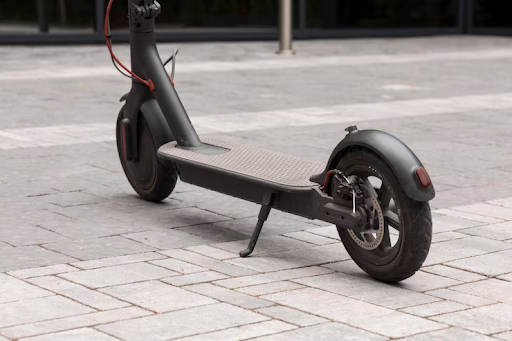
Mobility scooter batteries are the critical power source enabling personal mobility for users with reduced physical capability.
Understanding battery types, performance characteristics, maintenance requirements, and selection criteria helps scooter owners maximise equipment performance, extend battery lifespan, and make informed decisions when replacement becomes necessary.
Quality mobility scooter batteries ensure reliable performance, extended range, and consistent power delivery, supporting daily independence.
Understanding Battery Technologies for Mobility Scooters
Traditional mobility scooter batteries primarily use lead-acid technology—reliable and affordable, but heavier and with a limited lifespan. Lithium mobility scooter batteries represent a significant advancement, offering superior performance characteristics. Lithium-ion battery technology provides 3-4 times longer lifespan, lighter weight, enabling improved scooter handling, higher energy density, extending the operating range, faster charging times, and consistent power delivery throughout discharge cycles.
A lithium-ion battery for a mobility scooter typically lasts 1,000-5,000+ charge cycles, compared to 300-500 cycles for lead-acid alternatives. While lithium batteries cost more initially, superior longevity and performance characteristics often deliver better value over the battery’s lifetime.
Performance Metrics: Range, Weight, and Power Delivery
Battery selection directly affects scooter performance. Amp-hour (Ah) ratings indicate battery capacity—higher ratings enable longer operating range. Voltage specifications must match scooter design requirements (typically 24V, 36V, or 48V systems). Weight significantly impacts scooter handling and portability; lithium batteries typically weigh 40-60% less than equivalent lead-acid systems.
Quality batteries maintain consistent power delivery throughout discharge cycles, preventing performance degradation as battery charge depletes. This consistency ensures reliable performance during the entire operational period between charges.
Lead-Acid vs. Lithium Technology Comparison
Lead-acid batteries have served mobility applications for decades and remain cost-effective. However, they are heavy, requiring frequent maintenance, and providing limited lifespan. Lithium technology addresses these limitations through superior chemistry. Lithium batteries are significantly lighter, require no maintenance, last substantially longer, and deliver consistent performance.
For users prioritising extended range, lighter weight, and minimal maintenance, mobility scooter batteries featuring lithium technology represent worthwhile investments despite higher initial costs.
Battery Maintenance and Longevity
Proper maintenance extends battery lifespan significantly. Regular charging (ideally after each use, even if not fully discharged) maintains battery health. Avoiding complete discharge before recharging extends cycle life. Temperature management—keeping batteries in moderate temperatures away from extreme heat or cold—preserves chemistry integrity. Storage over extended periods requires periodic charging maintaining baseline charge levels.
Quality lithium batteries incorporate battery management systems (BMS) protecting against overcharging, over-discharging, and temperature extremes. These protective systems reduce maintenance requirements and extend lifespan.
Mobility Scooter Batteries Canada and Geographic Considerations
Battery specifications and availability may vary by region. Mobility scooter batteries canada may have specific certifications or safety standards reflecting Canadian requirements. When purchasing replacements, verify compatibility with your specific scooter model and voltage requirements. Local suppliers often provide easier warranty service and replacement support than distant international sources.
Charging Infrastructure and Compatibility
Ensure replacement batteries are compatible with your scooter’s existing charging system. Some scooters accept batteries with different chemistry but identical voltage and physical dimensions. Others require battery management system (BMS) compatibility ensuring safe operation with existing charge controllers. Verify compatibility before purchasing to avoid expensive acquisition of incompatible units.
Environmental Impact and Sustainability
Lithium mobility scooter battery technology offers environmental advantages over lead-acid alternatives. Extended lifespan reduces total battery waste and replacement frequency. Most lithium batteries are recyclable, and developing collection infrastructure is improving responsible disposal. Choosing durable lithium technology over frequent lead-acid replacement reduces overall environmental impact.
Cost Analysis: Initial Investment vs. Long-Term Value
Lead-acid batteries cost less initially but require frequent replacement, adding cumulative costs. Lithium batteries cost more upfront but deliver 4-10x longer lifespan, lower total cost of ownership, and improved scooter performance. For users planning extended mobility scooter use, lithium investments typically prove more economical than repeated lead-acid replacements.
Safety Considerations and Quality Standards
Quality mobility scooter battery manufacturers implement rigorous safety standards, quality testing, and protective features preventing hazardous conditions. Reputable suppliers provide documentation confirming safety certifications and compliance with relevant standards. Purchasing from established manufacturers ensures reliable safety rather than risking substandard batteries from unproven sources.
Compatibility with Specific Scooter Models
Mobility scooter batteries come in various configurations matching different scooter designs. Verify your scooter model’s battery specifications—voltage, amp-hour capacity, physical dimensions, and terminal configurations. Incompatible batteries may physically fit but fail to provide proper power or may damage scooter systems designed for different specifications.
Consult your scooter’s documentation or contact your equipment supplier for accurate specifications before purchasing replacement batteries.
Monitoring Battery Health and Replacement Timing
Many modern batteries display charge levels and operational status. Monitor battery performance—note if operating range decreases significantly, charging becomes slower, or performance becomes unreliable. These indicators suggest battery degradation requiring replacement. Proactive replacement before complete failure prevents being stranded without mobility.
Conclusion
Quality mobility scooter batteries enable reliable independence for users requiring personal mobility assistance. Choosing between lead-acid and lithium mobility scooter batteries involves weighing initial cost against long-term value, with lithium technology offering superior performance, longevity, and environmental benefits for many users. Proper selection matching your scooter specifications, maintenance supporting optimal lifespan, and timely replacement ensure your mobility equipment performs reliably. Whether you’re replacing existing batteries or upgrading scooter capability, understanding battery technologies and options enables informed decisions supporting mobility and independence for years to come.