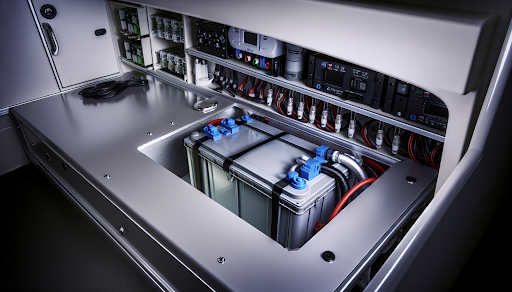
When it comes to powering your recreational vehicle, choosing the right battery is crucial. Lithium RV batteries have become increasingly popular due to their efficiency and longevity. However, there are common pitfalls that RV owners often encounter when using these batteries. Understanding these mistakes can help you maximize the lifespan and performance of your RV’s power system.
1. Overlooking Battery Capacity Needs
One of the most frequent errors is not assessing the battery capacity required for your RV. Many RV owners underestimate their energy needs, leading to insufficient power supply. It’s vital to calculate the watt-hours your devices consume and choose a battery that can support these needs comfortably. This ensures that your adventures are not cut short due to power shortages.
2. Ignoring Temperature Sensitivity
Lithium batteries are sensitive to extreme temperatures. Operating them in very cold or hot environments without proper management can significantly reduce their efficiency and lifespan. It is essential to monitor the temperature and use battery management systems that can help maintain optimal conditions, especially during harsh Canadian winters or hot summers.
3. Not Investing in a Quality Battery Management System (BMS)
A Battery Management System (BMS) is crucial for maintaining the health of your lithium batteries. The BMS protects the battery from overcharging, over-discharging, and extreme temperatures. Failing to invest in a quality BMS can lead to premature battery failure. Ensure your RV’s battery setup includes a robust BMS to protect your investment.
4. Failing to Regularly Monitor Battery Health
Regularly checking the health of your lithium batteries for RV use is essential. Many RV owners neglect this step, assuming the batteries will last without maintenance. Use monitoring tools to check the battery’s state of charge, voltage levels, and overall health. This proactive approach can prevent unexpected failures and extend the battery’s life.
5. Improper Charging Practices
Charging lithium RV batteries correctly is vital for their longevity. Many users make the mistake of using incompatible chargers or neglecting to follow the recommended charging cycles. Always use chargers specified by the battery manufacturer and adhere to the recommended charging protocols. This will help maintain the battery’s efficiency and prevent damage.
6. Neglecting to Update Electrical Systems
When upgrading to lithium batteries, it’s important to ensure that your RV’s electrical system is compatible. Older systems may not support the charging and discharging characteristics of lithium batteries. Updating your RV’s electrical components, such as converters and inverters, to be compatible with lithium technology can prevent potential issues and improve overall performance.
7. Overloading the Battery
It’s easy to overload your battery by connecting too many devices simultaneously. This can strain the battery and reduce its lifespan. Plan your energy usage carefully and avoid connecting high-drain appliances all at once. Implementing a power management strategy can help distribute the load evenly and prevent overloads.
Konklusion
Avoiding these common mistakes with lithium RV batteries can significantly enhance your RV experience. By understanding your power needs, maintaining optimal conditions, and using the right equipment, you can ensure that your battery system is reliable and efficient. Whether you’re exploring the scenic routes in Canada or camping in remote areas, a well-maintained lithium battery setup will keep your adventures powered and uninterrupted.