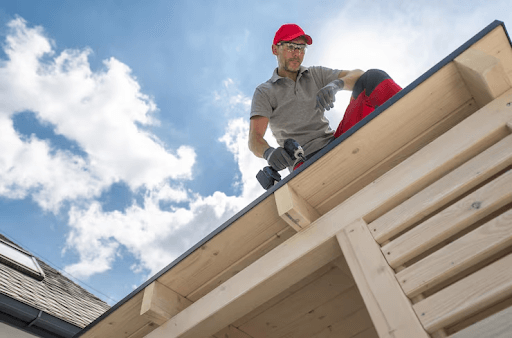
Florida leads the nation in homeowner property insurance claims—and roofing claims represent the largest single category. Navigating the post-storm claims process correctly is the difference between a fair settlement that funds proper restoration and an underpayment that leaves a homeowner absorbing costs their policy was meant to cover. Understanding how Florida insurance claim assistance for roofs works—and how the right roofing contractor supports the process—helps homeowners protect their financial interests from the first call to the final check.
Why Florida Roof Claims Are Uniquely Complex
Insurer Defensiveness Florida’s property insurance crisis has made many carriers aggressive in minimizing and disputing roofing claims. Documentation quality and claim presentation matter enormously in achieving appropriate settlements.
Wind vs. Wear Disputes Insurance companies frequently attribute storm-damaged roofing to pre-existing wear or age rather than the covered storm event—avoiding payment on claims they are legally obligated to honor. A licensed contractor’s professional damage assessment, tied to specific storm event dates, is critical to countering this position.
Assignment of Benefits Complications Florida’s AOB environment has shifted significantly following recent legislative changes. Homeowners must understand exactly what they’re signing before authorizing contractors to act on their behalf in insurance matters.
Multiple-Event Attribution Florida’s active storm environment means many properties have experienced multiple significant wind events. Determining which event caused specific damage involves weather data, policy date analysis, and professional damage assessment.
The Florida Roof Insurance Claim Process
Step 1: Document All Damage Immediately Photograph every area of visible damage—roof surface, gutters, soffits, fascia, screens, and interior water intrusion evidence—as soon as safely possible after the event. Date-stamp images and note the specific storm event and date.
Step 2: Review Your Policy Before Filing Understand your coverage type: Replacement Cost Value (RCV) pays full replacement cost; Actual Cash Value (ACV) deducts depreciation. Also review your deductible structure—Florida hurricane deductibles are commonly 2–5% of dwelling insured value, not a flat dollar amount.
Step 3: File Your Claim Promptly Contact your insurance company as soon as possible. Florida Statute 627 requires insurers to acknowledge claims within 14 days and provide coverage determination within 90 days.
Step 4: Obtain an Independent Contractor Assessment Before the insurance adjuster visits, have a licensed roofing contractor conduct a professional damage assessment and provide a written report. This independent documentation gives you objective comparison material when reviewing the adjuster’s findings.
Step 5: Have Your Contractor Present During the Adjuster Inspection You have the right to have your contractor present during the adjuster’s roof inspection—strongly recommended. Contractors experienced in storm damage claims identify damage that adjusters miss and ensure accurate documentation of all affected areas.
Step 6: Review the Scope of Loss Carefully The insurance company’s Scope of Loss estimates the approved repair or replacement work. Compare this document against your contractor’s assessment. Discrepancies are common—and can be formally disputed.
Step 7: Pursue Supplemental Claims When construction reveals additional damage not visible during initial inspection—damaged decking beneath removed shingles, for example—your contractor submits supplemental claims for these items. Experienced insurance claims roofing contractors handle this routinely.
How an Experienced Roofing Contractor Helps
A qualified contractor providing Florida insurance claim assistance for roofs:
- Produces detailed written damage assessments in insurance industry terminology
- Photographs and documents all damage comprehensively before any work begins
- Attends adjuster inspections and advocates for complete damage recognition
- Reviews insurance company scope documents and identifies underpayments
- Submits supplemental claims for discovered additional damage
- Communicates with adjusters throughout the project
What Homeowners Should Avoid
Beginning Major Work Before Approval – Emergency tarping to prevent further damage is appropriate; major roofing work should not start until insurance authorization is documented.
Accepting Initial Settlements Without Review – First estimates are frequently incomplete. Review carefully against your contractor’s assessment before accepting.
Signing AOB Agreements Without Understanding Them – Recent Florida law significantly changed AOB rules. Understand exactly what rights you’re transferring before signing.
Hiring Unlicensed Contractors – Insurance-funded work performed by unlicensed contractors can void your coverage and create serious legal liability.
When a Public Adjuster Adds Value
For large, complex, or disputed claims, a licensed Florida public adjuster—working on your behalf for a percentage fee—can negotiate significantly improved settlements on major roofing claims. This option is worth considering for replacement claims over $25,000.
Konklusion
Florida insurance claim assistance for roofs navigated correctly—with thorough documentation, a licensed contractor’s professional assessment, and clear understanding of your policy rights—ensures homeowners receive the fair compensation their coverage entitles them to. Working with an experienced roofing contractor who understands Florida’s specific claims environment is the single most impactful step toward a successful claim outcome.