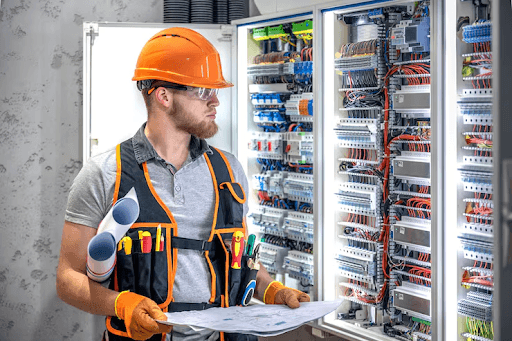
Commercial electrical work is a different animal from residential. The systems are larger, the compliance requirements are stricter, the stakes for downtime are higher, and the coordination involved is more complex. Choosing the right contractor shapes whether a project runs smoothly or becomes a series of costly delays.
If you’re managing a commercial build-out, renovation, or electrical upgrade in Orange County, here’s what the process actually involves — and what separates a competent contractor from a frustrating one.
Commercial vs. Residential Electrical Work: Why It’s Not the Same
Residential electrical systems are relatively standardised. Most homes run on 200-amp single-phase service. The permit process is predictable, the materials are familiar, and a single licensed electrician can often handle most of the job.
Commercial buildings run on three-phase power, operate at higher voltages, carry significantly larger electrical loads, and are subject to more rigorous code requirements under the National Electrical Code and California’s Title 24 energy standards. Tenant improvement projects, retail fit-outs, office renovations, and industrial installations all involve coordination with general contractors, building inspectors, and sometimes utility companies.
A contractor without genuine commercial experience can handle the basics — replacing outlets, adding lighting circuits — but anything involving load calculations, service entrance upgrades, or complex distribution panels requires a team that works in commercial environments regularly.
What a Full Commercial Electrical Scope Typically Covers
Depending on the project, commercial electrical work can include:
Panel and Service Work New service installations, panel upgrades, subpanel additions, and load balancing. For expanding businesses, this is often the starting point — confirming the existing service can handle new equipment before adding anything to the building.
Lighting Systems Commercial lighting design goes beyond bulb selection. It involves circuit layouts, controls, occupancy sensors, emergency lighting, and exit sign compliance. Title 24 compliance for commercial lighting is mandatory in California and affects both design and documentation.
Low-Voltage and Data Cabling Many commercial projects include structured cabling, network drops, security systems, and access control wiring alongside standard electrical work. Contractors with in-house low-voltage capability reduce the number of subcontractors involved.
EV Charging Infrastructure Commercial properties — retail centres, office parks, and multi-tenant buildings — are increasingly installing EV charging stations for employees and customers. This requires dedicated circuits, often a load management strategy, and sometimes a service upgrade.
Code Compliance and Inspections Every commercial electrical project in California requires permits. The permit process, plan check, and inspections are part of the job — not optional extras. A contractor who pulls permits properly protects the building owner from liability and ensures the work is legally compliant.
Finding the Right Contractor for the Job
Orange County has no shortage of licensed electricians. The question isn’t whether someone has a C-10 licence — it’s whether they have the experience and team capacity to handle the specific type of project you’re running.
When evaluating commercial electrical contractors orange county options, the questions worth asking include:
- What types of commercial projects have you completed recently? Can you provide references?
- Do you handle permitting and plan check submissions in-house?
- What’s your typical team size for a project of this scale?
- How do you coordinate with general contractors or other trades?
- Are you familiar with Title 24 commercial compliance?
The answers tell you whether the contractor understands the full scope of commercial work — or whether they’re primarily a residential outfit taking on commercial jobs outside their usual experience.
The True Cost of Hiring the Wrong Contractor
Commercial projects run on schedules. A delayed electrical rough-in holds up drywall. A failed inspection delays occupancy. Wiring that doesn’t meet code gets ripped out and redone. In commercial construction, time is directly tied to money — a business that can’t open on schedule is losing revenue.
The cost difference between a properly qualified commercial contractor and the lowest bidder rarely justifies the risk. A contractor who is genuinely experienced in commercial work moves faster, pulls permits correctly the first time, and avoids the re-work that makes low bids look much less attractive in hindsight.
What to Expect During the Project
A well-run commercial electrical project typically follows this sequence:
- Site assessment and load calculation — understanding what the building needs and what the existing service can support
- Design and permit submission — drawings, specifications, and permit applications submitted before work begins
- Rough-in work — conduit, wiring, boxes, and panels installed before walls are closed
- Rough-in inspection — signed off by the building department before covering
- Finish work — devices, fixtures, panel connections, and final terminations
- Final inspection and sign-off
Skipping or rushing any of these phases creates downstream problems. A contractor who is transparent about this sequence and communicates clearly at each stage is easier to work with — and ultimately produces better outcomes.
According to the California Department of Industrial Relations, commercial electrical contractors operating in the state must hold a valid C-10 Electrical Contractor licence. Verifying licence status through the CSLB before hiring takes two minutes and eliminates a significant category of risk.
The right contractor for a commercial project isn’t necessarily the biggest firm or the lowest price. It’s the one that demonstrates clear experience with the type of work involved, communicates professionally, and treats the permit and inspection process as an integral part of the job.
For More Info Visit:- flowactivo.org