When running a farming operation, the safe and efficient transport of livestock from one location to another is a critical aspect to consider. The right livestock trailer not only ensures the well-being of your animals but also streamlines operations and complies with transport regulations. Whether you’re moving cattle, sheep, or any other type of livestock, selecting a perfect trailer can be a complex process involving various factors. Below, we explore key considerations to make the best decision for your farm’s unique requirements.
Evaluating Livestock Trailer Features and Build Quality
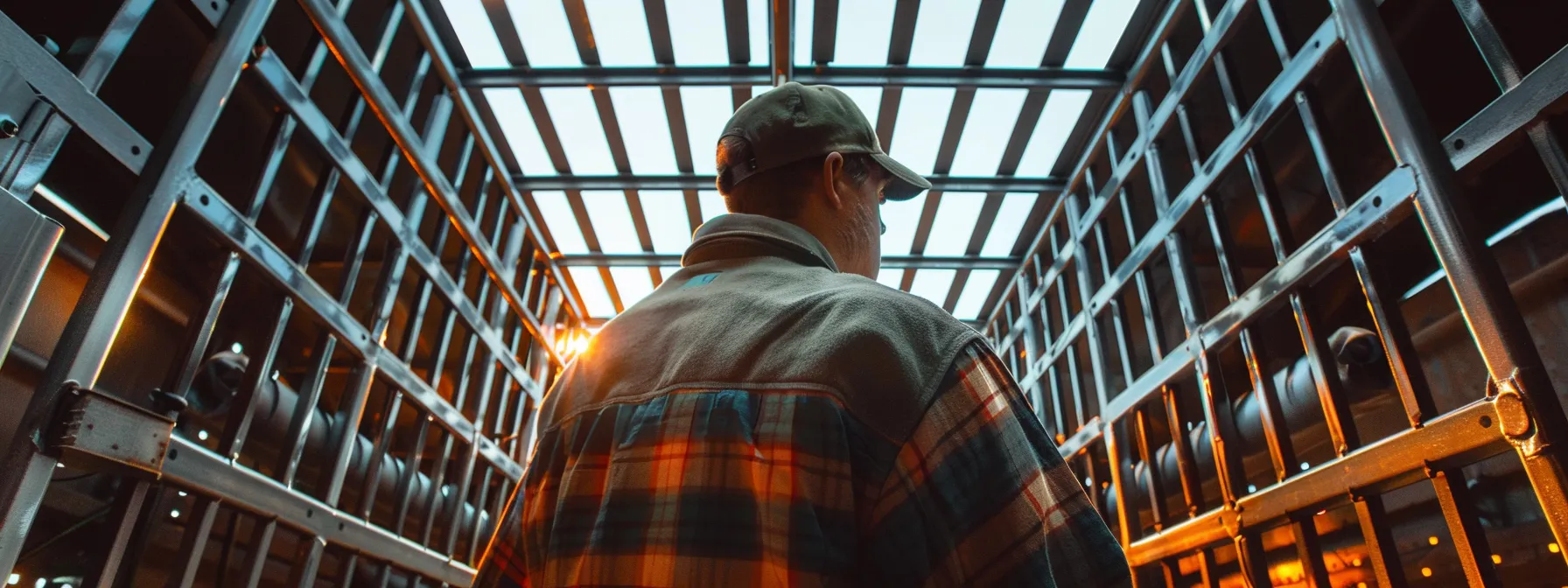
The construction quality of a livestock trailer is pivotal, as it directly affects the safety and longevity of your investment. Materials such as aluminum or steel dominate the market, each with its advantages and disadvantages in terms of weight, durability, and maintenance requirements. Evaluating the resistance to rust and corrosion will ensure the trailer maintains structural integrity over time.
The design of the trailer should allow for adequate ventilation. Proper airflow is vital for the health of the animals, particularly in fluctuating temperatures. Look for features such as adjustable vents or windows that can be opened or closed depending on weather conditions. Insulation may also be a factor to consider if your farm is located in a region with extreme temperature variances.
Internal features such as non-slip flooring, padding, and secure gating are essential for keeping animals safe during transit. Moreover, the inclusion of emergency exits can be a lifesaver in unexpected situations. Checking that doors and latches function smoothly and securely will prevent potential escapes or injuries.
Determining the Right Size and Weight Capacity for Your Trailer
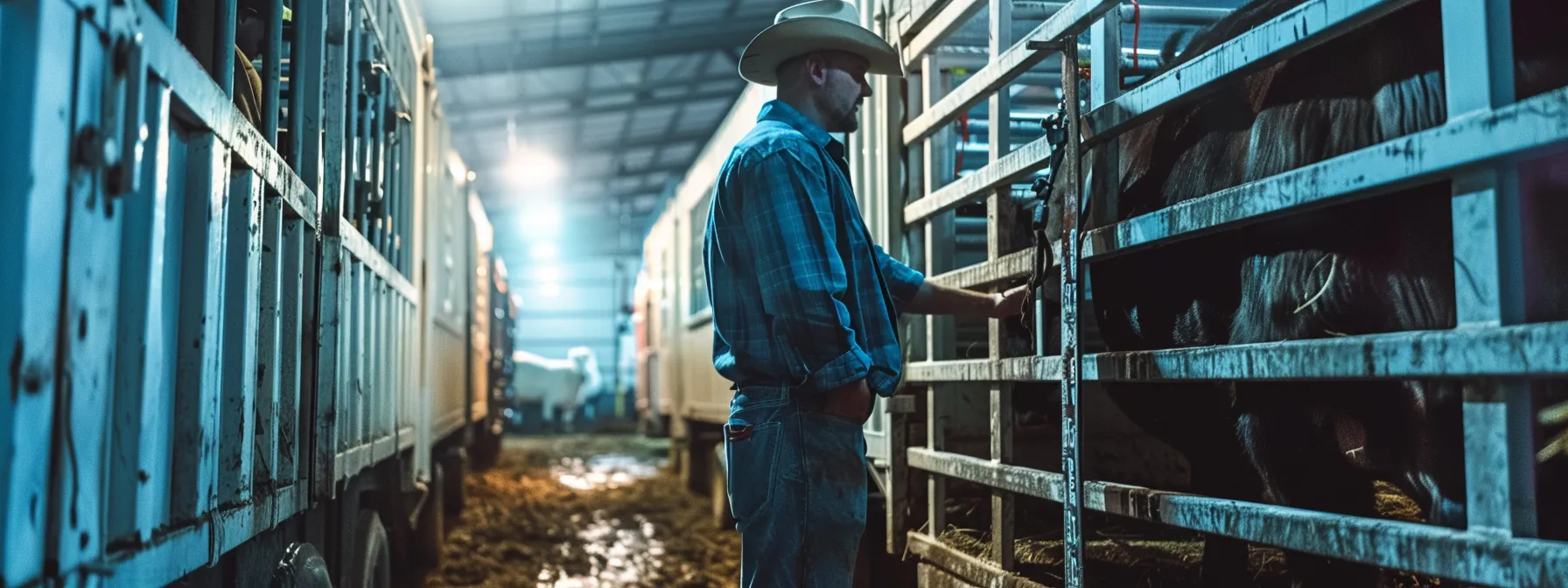
The dimensions and weight capacity of your livestock trailer are crucial to match with the type and number of animals you plan to transport. Overloading a trailer can lead to unsafe towing conditions and put undue strain on both the trailer and the towing vehicle. Carefully consider the gross weight of the loaded trailer to ensure it complies with both legal requirements and the capabilities of your tow vehicle.
While a larger trailer offers more flexibility in terms of capacity, it also demands a more powerful vehicle to tow it safely. It’s important to strike a balance between size and practicality, taking into account the maneuvers you’ll need to perform on the farm and on the roads. The turning radius and ease of navigation in tight spaces could be deciding factors.
In terms of internal dimensions, height is particularly important for taller breeds of livestock, such as horses, to prevent them from feeling cramped and to allow for sufficient headroom. Width and length determine the number of animals that can be transported safely without overcrowding, which can lead to stress and potential injury.
Considering Ease of Use and Maintenance in Trailer Selection
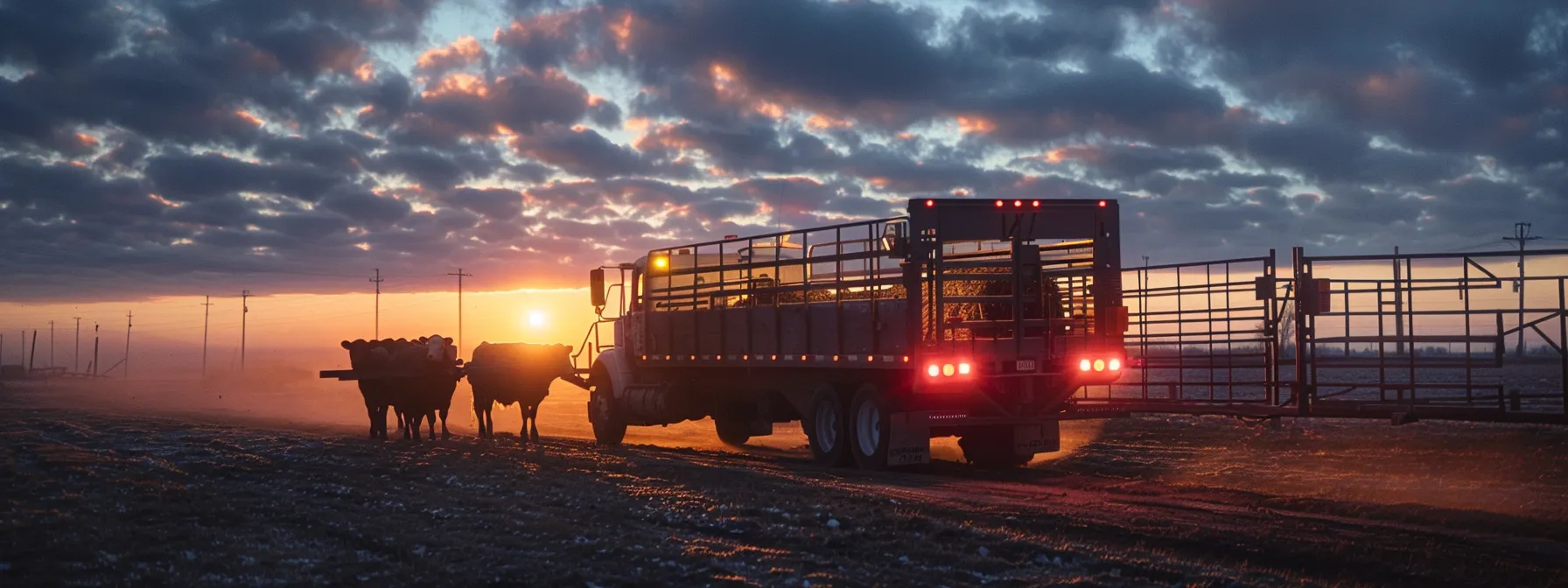
Usability is a significant factor when selecting a livestock trailer. Features such as easy-to-operate gates and ramps can make loading and unloading a less labor-intensive process. Agriculture is laborious work; hence, a trailer that simplifies these tasks can be a significant time saver. Additionally, consider the ease of coupling and uncoupling the trailer from your towing vehicle.
Maintenance routines can often determine the longevity and performance of your trailer. Materials that require minimal upkeep, such as certain types of treated metals or alloys, can be advantageous in the long run. Moreover, trailers with easily accessible parts for cleaning will help maintain hygiene standards and prevent the spread of disease among your livestock.
Navigating Legal Requirements and Safety Standards for Livestock Transport
Legal compliance is a critical aspect of livestock transport, with regulations varying by region and country. It is essential to familiarize yourself with the laws governing the transport of animals in your jurisdiction to avoid fines and ensure you operate within legal standards. Safety standards are in place not only to protect your livestock but also other road users.
Licensing requirements for the driver and potential certifications needed for certain types of livestock transport should be considered. In some cases, the type of trailer chosen can affect the kind of driver’s license required, so it’s vital to ensure your operators are properly licensed and trained to manage the trailer and the livestock it carries.
Altogether, selecting the right livestock trailer is a mix of understanding your farm’s specific needs, evaluating various trailer features, making informed decisions regarding size and capacity, and being knowledgeable about ease of maintenance and legal requirements. A well-chosen trailer not only supports the safe and stress-free transport of animals but also contributes to the efficiency and profitability of your farming operation.