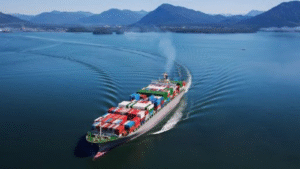
International shipping by sea is often the preferred choice for businesses and individuals seeking to transport goods across borders.
However, while it may be the most commonly used method, is it the most cost-effective option?
With so many variables to consider—from freight rates to transit times—it’s easy to be unsure if sea freight really offers the best bang for your buck. Let’s take a closer look at this shipping method, compare it to alternatives, and uncover key insights that might shift your perspective.
Shipping costs are rising, deadlines are tighter, and the search for cost-effective solutions can feel like a never-ending challenge. While air freight is faster, and road or rail options may seem more direct, the ocean continues to dominate the logistics landscape.
But why? We’ve dug into the details and uncovered some important considerations that could change the way you think about international sea shipping.
1. International Shipping by Sea: A Basic Overview
Before we jump into whether sea freight is the most cost-effective choice, let’s start with some fundamentals. International shipping by sea involves transporting goods via container ships across oceans. It’s a popular option for bulk cargo, large shipments, or items that don’t require immediate delivery.
The main reason businesses opt for sea freight is its capacity to handle large volumes of goods. It’s not only the most economical way to move huge quantities of freight but also the most efficient option for long-distance international shipping.
However, understanding the true costs of international shipping by water involves more than just looking at freight rates. Several factors contribute to determining the overall cost.
2. Sea Freight vs. Air Freight: Is Sea Really the Cheaper Option?
Most businesses are familiar with air freight, a faster alternative to sea shipping. While air freight is often perceived as premium and fast, it can be significantly more expensive, especially when shipping large or heavy goods. The question, however, is whether the extra cost for air freight is justified in every case.
Pros of Air Freight:
- Speed: Air freight is much faster, ideal for time-sensitive deliveries.
- Smaller Shipments: If you’re handling small, high-value items, air freight may be a better option, despite its higher cost.
When to Choose Sea Freight:
- Large Shipments: For heavy or bulky goods, international shipping by sea is usually more affordable than air freight.
- Cost Efficiency: The cost per ton or mile for sea freight is generally lower than that of air freight, making it the more cost-effective option for larger quantities.
Here’s a comparison of the two methods in terms of cost-effectiveness:
| Shipping Method | Cost per Ton (Approx.) | Transit Time |
| Sea Freight | $100 – $300 | 15-60 days |
| Air Freight | $1,000 – $5,000 | 2-7 days |
As you can see, sea freight offers a significant savings opportunity for large shipments, despite the slower transit time.
3. Hidden Costs in Sea Freight: What You Might Not Know
While international shipping by sea is generally cheaper, there are some hidden costs that you may not be factoring into your initial quote. Understanding these costs will help you determine whether sea freight is truly the cost-effective choice for your business.
3.1 Port Charges
Ports charge fees for loading, unloading, storage, and handling containers. These charges vary depending on the port, the size of your shipment, and the specific terminal.
3.2 Fuel Surcharges
Fuel costs fluctuate, and this can directly impact the price of sea freight. Shipping companies often add fuel surcharges, especially during periods of high fuel prices.
3.3 Customs Duties and Taxes
These vary by country, and depending on the nature of the goods you’re shipping, they can add up quickly. Many businesses fail to account for these in their initial budget, which can impact the overall shipping cost.
4. How to Make Sea Freight More Cost-Effective
Now that we’ve broken down the costs, here are some practical tips to help you optimize your international shipping by sea and get the most value out of this option.
1. Choose the Right Shipping Carrier
Choosing the right carrier can make a big difference in terms of cost and service quality. Researching carriers, comparing their services, and reading customer reviews can help you find the best deal.
2. Plan Shipments in Advance
The earlier you book your shipments, the better rates you’ll get. Last-minute shipments tend to be more expensive, so planning well ahead is crucial for securing lower prices.
3. Optimize Your Packaging
Shipping charges depend on the size and weight of your shipment. By optimizing packaging, you can reduce the volume and potentially lower the cost.
4. Consolidate Shipments
If you’re shipping smaller volumes, consolidating shipments with other companies can save costs by sharing space in a container.
5. Consider Hybrid Shipping Methods
In some cases, you might combine sea freight with air freight or other transportation methods to balance speed and cost effectively. For instance, shipping goods by sea to a nearby port and then using air freight for the last leg of the journey can sometimes offer both savings and faster delivery.
5. When is Sea Freight the Best Choice?
While we’ve discussed the cost-effectiveness of international shipping by ocean, it’s important to know when this option is truly the best choice for your business:
- High-Volume Shipments: Sea freight is ideal for large shipments that need to be moved in bulk.
- Non-Time-Sensitive Deliveries: If time is not a critical factor, sea freight can offer considerable savings.
- Cost-Conscious Operations: If minimizing shipping costs is a priority, sea freight should be your go-to option.
Conclusion:
In the battle between air and sea freight, the answer to whether international shipping by sea is the most cost-effective option depends on your specific needs. For large shipments, non-urgent deliveries, and cost-conscious operations, sea freight is undoubtedly the cheaper option. However, businesses must be aware of the hidden costs involved and plan accordingly.
By understanding the full spectrum of expenses and making adjustments where possible, you can maximize the benefits of international shipping by water and keep your logistics costs in check.
Read more: flowactivo.org