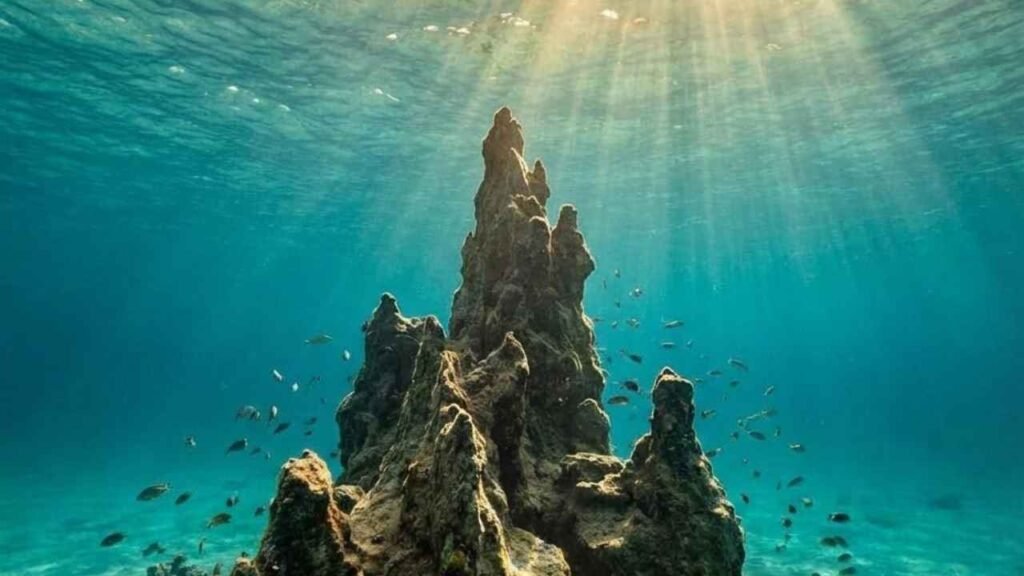
When scuba divers discuss Thailand’s most breathtaking dive sites, Sail Rock Koh Tao Diving consistently ranks among the top destinations. This legendary pinnacle formation stands as one of the most distinctive and rewarding dive sites in Southeast Asia, attracting experienced divers and advanced adventurers from around the globe.
Whether you’re planning your first trip to Sail Rock or adding it to your dive log, this comprehensive guide reveals what makes this site so special.
Understanding Sail Rock: Formation and Geology
The Iconic Pinnacle
Sail Rock rises dramatically from the seafloor as a distinctive rocky pinnacle that resembles a billowing sail—hence its evocative name. This formation extends from approximately 5 meters below the surface down to depths exceeding 40 meters, making it a challenging yet rewarding dive site for appropriately certified divers. The rock face displays fascinating geological features, including crevices, caves, and overhangs that create an exhilarating underwater landscape.
Location and Accessibility
Located between Koh Tao and Koh Phangan, Sail Rock sits approximately 20-25 kilometers from Koh Tao’s shore. Most dive operators conduct Sail Rock koh tao diving trips as full-day excursions departing in the early morning hours. The journey by speedboat typically takes 45 minutes to an hour, allowing divers to prepare mentally and physically for the challenges ahead.
Why Sail Rock Demands Advanced Certification
Depth and Challenges
Sail rock scuba diving requires a minimum of Advanced Open Water certification due to its depth and the technical challenges it presents. The site’s maximum depth of 40+ meters exceeds recreational diving limits for non-advanced divers. Strong currents, variable visibility, and the need for precise buoyancy control make this site unsuitable for beginners, regardless of their enthusiasm.
Current Conditions and Safety Protocols
The area surrounding Sail Rock experiences moderate to strong currents, particularly during certain seasons. These currents actually create ideal conditions for drift diving, where divers move with the current while maintaining formation with their dive master and buddy. Proper planning, excellent physical fitness, and thorough pre-dive briefings are essential for safe Sail Rock dives.
What Makes Sail Rock Special: Marine Life Encounters
Pelagic Species and Large Marine Animals
The strong currents that make Sail Rock challenging also attract pelagic fish species that divers rarely encounter at shallower sites. You’ll have opportunities to observe kingfish, tuna, jacks, and occasionally larger creatures like reef sharks. These encounters make each dive to Sail Rock feel like an expedition into the open ocean.
Macro Life and Reef Ecology
Beyond the dramatic large marine life, Sail Rock’s rock faces and crevices host extraordinary macro life. Nudibranchs, octopuses, moray eels, and colorful crustaceans inhabit the rock’s many niches. The diversity creates fascinating diving experiences at multiple depth levels.
Preparing for Your Sail Rock Diving Adventure
Physical Preparation and Fitness
Advanced diving at Sail Rock demands excellent physical conditioning. You’ll be managing significantly greater nitrogen absorption, stronger currents, and longer bottom times than recreational dives. Regular exercise, including cardiovascular training, strengthens your ability to safely manage the physical demands.
Equipment Considerations
Most divers use dive computers with nitrox capability, as many operators utilize enriched air mixes to extend bottom time and reduce decompression obligations. Ensure your equipment includes a reliable depth gauge, timing device, and proper weighting for controlled descent and ascent.
The Typical Sail Rock Dive Schedule
Morning Departure and Briefing
Your dive rock Thailand trip begins with an early morning pickup and boat journey. Upon arrival, your dive master provides a comprehensive briefing covering current conditions, expected marine life, depth information, and emergency procedures. This briefing is crucial—listen carefully and ask questions.
Descent and Exploration Strategy
The descent typically occurs along the rock face, where divers equalize pressure gradually while maintaining buddy contact. The dive master establishes the group’s trajectory and depth target. Most dive sites feature the first dive shallower (20-25 meters) and the second dive deeper (35-40 meters), allowing for progressive exposure to greater depths.
Surface Interval and Second Dive
After your first dive, you’ll return to the boat for a surface interval of 60-90 minutes. This time allows for nitrogen off-gassing, hydration, nutrition, and mental preparation for the second dive. Most divers complete two dives to Sail Rock during a full-day excursion.
Best Times to Visit Sail Rock
Seasonal Considerations
Sail Rock remains diveable year-round, but conditions vary significantly by season. The dry season (February to September) typically offers the best visibility and calmest conditions. However, larger swells and stronger currents during the rainy season (October to January) actually attract experienced divers seeking a more dynamic challenge.
Conclusion
Sail Rock Koh Tao Diving represents a pinnacle of recreational scuba diving—a site that demands respect, preparation, and appropriate certification, yet rewards participants with unmatched underwater experiences. The combination of geological drama, extraordinary marine life, and challenging dive conditions creates memories that last a lifetime. For advanced divers seeking to test their skills and expand their underwater horizons, a dive trip to Sail Rock remains an essential addition to your diving resume and a journey into the heart of Thailand’s underwater wilderness.