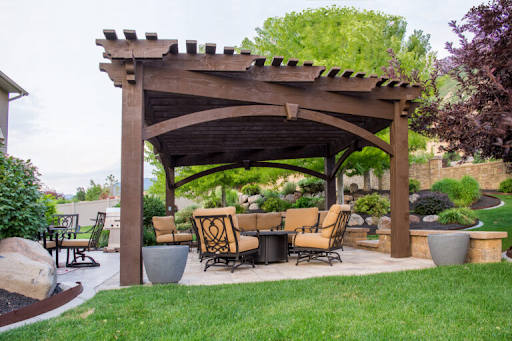
Most backyards look unfinished. The patio feels exposed. The sun beats down in July, and by fall, the space barely gets used. Homeowners want shade, structure, and something that actually adds value, not just another patio umbrella that tips over in a storm. The solution is simple: build a custom wood pergola that adds real structure, comfort, and curb appeal in one smart move.
Across the US, from Texas suburbs to New England lake homes, timber pergolas are becoming a top choice for outdoor living upgrades. They feel solid. They look high-end. And they last. Let’s break down why so many homeowners prefer timber frame construction over lighter, mass-produced options.
Real Strength That Handles American Weather
The weather in the US is no joke. In Colorado, snow piles up fast. In Florida, storms roll in hard. In Arizona, heat can crack cheap materials.
Timber pergolas are built from large, structural-grade beams. This is not thin lumber from a big box store. These are heavy timbers designed to carry weight and resist movement. When properly engineered for local codes, they can handle:
- Heavy snow loads in northern states
- High winds in coastal regions
- Intense sun exposure in southern climates
- Freeze and thaw cycles in the Midwest
Many areas follow standards based on ASCE 7 load requirements, and properly designed timber structures can meet those demands with ease. That level of structural integrity is a big reason homeowners lean toward a custom wood pergola instead of aluminum kits.
Natural Beauty That Fits American Home Styles
One major reason timber pergolas stand out is visual depth. Wood has warmth. It has texture. It feels grounded.
In places like California wine country, rustic timber complements Spanish and Mediterranean homes. In the Northeast, it pairs beautifully with Colonial and Cape Cod architecture. In the Pacific Northwest, it blends right into wooded landscapes.
Unlike metal or vinyl, wood does not feel cold or industrial. It feels custom. It feels intentional.
A custom wood pergola can be stained to match cedar siding, painted to coordinate with trim, or left natural for a weathered look. That flexibility gives homeowners creative control without sacrificing strength.
True Customization, Not Cookie-Cutter Design
Big box pergola kits come in fixed sizes. They are often lightweight and limited in design.
Timber frame construction is different. It allows for:
- Custom beam sizes
- Decorative knee braces
- Arched rafters
- Integrated lighting
- Built-in fans
- Shade canopies or retractable covers
Homeowners can size the structure to fit their patio exactly. Whether covering a 10 by 12 grilling area or a 20-by-20 outdoor kitchen, the design adapts to the space.
That freedom is why many homeowners choose timber pergolas when they want their backyard to feel like an extension of their home rather than an afterthought.
Long Term Value And Return On Investment
Outdoor living consistently ranks high in remodeling value reports across the US. Buyers love usable backyard space.
A well-built custom wood pergola can:
- Increase perceived home value
- Improve backyard functionality
- Boost curb appeal
- Create defined entertaining zones
In competitive real estate markets like Austin, Denver, and Charlotte, outdoor upgrades can influence buyer decisions. A heavy timber structure sends a message of quality and permanence.
It is not just décor. It is an investment in lifestyle and resale value.
Sustainability And Renewable Materials
Many homeowners today care about sustainability. Timber, when sourced responsibly, is a renewable building material.
Species commonly used for timber pergolas include:
| Wood Species | Common US Regions | Key Benefit |
| Western Red Cedar | Pacific Northwest | Naturally rot resistant |
| Douglas Fir | West Coast | High structural strength |
| Southern Yellow Pine | Southeast | Affordable and durable |
| Redwood | California | Insect and decay resistant |
Compared to aluminum, which requires energy-intensive manufacturing, wood has a lower embodied energy when harvested and processed responsibly. That matters to homeowners looking for eco-conscious upgrades.
Comfort That Feels Natural
Metal pergolas can get extremely hot in direct sunlight. Touch a dark aluminum beam in August in Texas, and you will feel the difference.
Wood absorbs heat differently. It does not radiate surface heat the same way metal does. That makes the space underneath more comfortable during peak summer months.
Timber also reduces glare. The natural finish softens light, creating a relaxed vibe that feels inviting instead of harsh.
For families who use their patio daily, comfort is a big deal.
Craftsmanship That Stands Out
Timber frame pergolas often use traditional joinery techniques. Mortise and tenon connections create both strength and visual interest. Even when modern hardware is used, the scale of the beams makes the structure look substantial.
This craftsmanship adds character. It gives the pergola architectural weight.
Homeowners who invest in custom kitchens or detailed landscaping often want an outdoor structure that matches that level of quality. A custom wood pergola delivers that elevated look without feeling flashy.
Low Maintenance When Built Right
Some people worry that wood means constant upkeep. That is not always true.
Properly treated and sealed timber can last for decades with routine care. Maintenance usually includes:
- Reapplying stain or sealant every few years
- Inspecting joints and fasteners annually
- Cleaning debris from beam tops
Compared to repainting metal that chips or replacing warped vinyl parts, timber maintenance is straightforward. And many homeowners appreciate the natural aging process of wood. A little patina can actually enhance its character.
Clear Differences Between Timber And Lightweight Options
Here is a simple comparison that helps explain homeowner preference:
| Feature | Timber Frame Pergola | Lightweight Aluminum Kit |
| Structural Strength | High load capacity | Limited load capacity |
| Customization | Fully customizable | Pre-set sizes |
| Aesthetic Depth | Warm and architectural | Modern and minimal |
| Longevity | Decades with care | Varies by quality |
| Resale Appeal | Strong | Moderate |
When homeowners compare these factors side by side, the choice often becomes clear.
Designed For The Way Americans Use Backyards
Backyards in the US are not just decorative spaces. They are where people grill on weekends, host graduation parties, watch football on outdoor TVs, and unwind after work.
Timber pergolas help define these zones. They create a ceiling effect without closing off the space. Add string lights or recessed lighting, and the area becomes usable at night. Add a fan, and it stays cool in summer.
A custom wood pergola can anchor an outdoor kitchen, frame a fire pit area, or extend living space beyond sliding glass doors. It turns open patio space into a true outdoor room.
That functionality is what drives preference. It is not about trends. It is about how people actually live.
Conclusion
Homeowners want more from their outdoor spaces. They want comfort, durability, and something that looks like it belongs with the house, not something that was bolted on as an afterthought. Timber frame pergolas check those boxes with strength, style, and long term value that lighter materials often cannot match.
From snowy northern states to sun-soaked southern patios, the appeal stays consistent. Solid beams. Natural warmth. Custom design that fits the home instead of fighting it. When families invest in their backyard, they want it done right the first time. That is why timber remains the go-to choice for outdoor structures built to last.