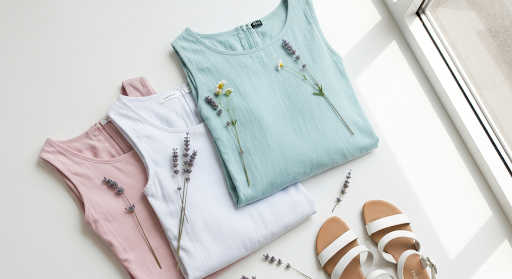
Spring is one of the most rewarding seasons to refresh a wardrobe. As temperatures shift and daylight hours grow longer, the clothes we reach for naturally change too. Choosing the right women dresses for spring means thinking about more than just color — it means considering fabric weight, silhouette, and how a piece will actually perform across the range of weather that spring brings.
This guide breaks down what to look for, what styles are trending in 2026, and how to build a small but practical spring dress wardrobe.
Why Spring Dressing Requires Its Own Strategy
Spring weather is unpredictable. A morning might call for a light layer, while the afternoon turns warm enough for bare arms. Dresses that work well in spring tend to share a few characteristics: they’re made from breathable materials, they’re not too structured, and they transition easily from casual to slightly dressed-up settings.
Buying a dress specifically suited to spring — rather than repurposing a summer or fall piece — usually results in better comfort and more wears per item.
Fabrics That Work Best in Spring
Fabric choice is the foundation of a good spring dress. The wrong material can make a dress feel out of place even if the style is right.
The most practical options for spring include:
- Cotton lawn and poplin — lightweight, breathable, and easy to care for
- Linen blends — slightly textured, good for warmer spring days
- Rayon and viscose — soft drape, comfortable in fluctuating temperatures
- Chambray — a casual denim-look fabric that stays cool
- Chiffon — works well for layered or flowy styles, though less practical for everyday wear
Avoid heavy knits, thick wool blends, or anything lined with synthetic materials that trap heat. These fabrics belong to fall and winter, even if the color palette looks spring-appropriate.
Silhouettes That Are Leading in 2026
This year, spring dress silhouettes are leaning toward relaxed but intentional shapes. There’s a clear move away from overly fitted styles and toward cuts that allow movement without looking shapeless.
Midi-length dresses continue to dominate. The midi hit — typically falling between the knee and the ankle — works across age groups and body types. It reads as polished without being formal.
Wrap dresses remain a reliable choice. The adjustable fit makes them practical, and the V-neckline suits most necklines and collar structures. They also layer well with a light jacket or cardigan.
Tiered and smocked dresses are popular for casual and weekend wear. The smocked bodice offers stretch and comfort, while tiered skirts add visual interest without requiring much styling effort.
Shirt dresses have seen a quiet return in 2026. Worn belted or left open over a simple base layer, they offer flexibility that few other silhouettes match.
Color and Print Trends for Spring 2026
Spring color palettes in 2026 are drawing from two distinct directions. On one side, there’s a return to soft, muted tones — dusty rose, sage green, pale butter yellow, and warm ivory. These shades feel calm and easy to mix with existing wardrobe pieces.
On the other side, bolder botanical prints are showing up strongly. Large floral patterns in contrasting colors, leaf prints, and abstract nature-inspired graphics are all appearing across spring collections.
The practical takeaway: a muted solid-color dress will get more use across more occasions, while a bold print dress tends to make a stronger impression for specific outings.
Building a Small Spring Dress Wardrobe
You don’t need many dresses to cover spring well. A focused selection of three to five pieces can handle most situations.
A useful starting point:
- One midi wrap dress in a neutral or soft color
- One casual tiered or smocked dress for relaxed days
- One shirt dress for layering and transitional weather
- One slightly dressier option in a print or bolder color
This kind of small wardrobe reduces decision fatigue and ensures that each piece actually gets worn rather than sitting unused.
Conclusion
Spring dressing works best when it’s approached with some intention. Fabric, silhouette, and color all play a role in how useful a dress will actually be across the season. Rather than buying impulsively based on trend images alone, it helps to think about the specific conditions — weather, occasions, and existing wardrobe — before choosing. The styles and fabrics covered here offer a practical framework for making spring dress choices that hold up well through the whole season.