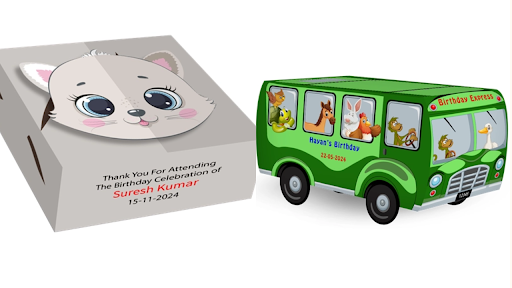
Chocolate is one of the most gifted treats in the world, but the way it is packaged often decides whether it feels like a thoughtful present or an afterthought. Buyers today expect packaging that looks premium, keeps delicate contents safe in transit, and reflects the occasion, whether that is a wedding favor, a corporate hamper, or a festive celebration.
The packaging industry has responded with an enormous range of styles, materials, and finishes, which can make choosing the right option feel overwhelming for both individual gift-givers and businesses ordering in bulk. Understanding the practical differences between these options makes the decision far easier.
Why Packaging Matters for Chocolate Gifting
That is where well-designed Chocolate Gift Boxes come in — they combine sturdy construction with attractive finishes so your chocolates arrive intact and beautifully presented, no matter how far they travel.
Chocolate is sensitive to heat, pressure, and moisture, so packaging has a functional job long before it has a decorative one. A well-built box cushions bars or truffles against crushing, keeps out light and humidity, and holds shape during shipping. Beyond protection, packaging is also the first thing a recipient sees, so it sets expectations for the quality of what is inside before the box is even opened.
Poor packaging can undo the effort put into selecting fine chocolate in the first place. A box that arrives crushed, warped, or with a broken closure signals carelessness, even if the product itself is unaffected, which is why packaging deserves the same attention as the chocolate it holds.
Common Types of Boxes for Chocolates
Not all packaging styles suit every product. Rigid boxes with lift-off lids work well for premium assortments, while drawer-style sleeves add a satisfying reveal moment. Magnetic flap boxes are popular for gifting because they close securely without tape, and tiered trays help separate different chocolate varieties so they do not touch or melt into one another. Choosing the right style among the many boxes for chocolates available today comes down to product size, shelf life, and how the box will be displayed or shipped.
Seasonal packaging adds another layer of consideration. Holiday assortments often call for bold, festive prints, while everyday retail lines tend toward simpler, brand-consistent designs that work year-round without needing seasonal reprints.
Choosing the Right Box for Your Brand
A good gift box for chocolate packaging balances protection with presentation. Look for board thickness that resists bending, insert trays that keep pieces from shifting, and finishes such as matte lamination or foil stamping that elevate perceived value. Insulated or double-wall construction is worth considering for chocolates that travel through warmer climates, since it adds a buffer against temperature swings during delivery.
Branding consistency also matters. Using the same color palette, logo placement, and typography across all packaging sizes helps customers recognize your products instantly, whether they are browsing a shelf or receiving a shipped order.
Packaging for Bulk Orders and Distribution
Retailers and wholesalers have different needs than individual gift buyers. A dependable box for chocolate distribution needs to stack cleanly on pallets, resist crushing under stacked weight, and carry clear labeling for batch tracking and expiry dates. Corporate gifting programs in particular benefit from standardized packaging sizes, since this keeps shipping costs predictable and makes bulk fulfillment far easier to manage.
For distributors shipping across long distances, it is worth testing packaging under real transit conditions before committing to a large print run, since a design that looks fine on a shelf can behave very differently after several days in a delivery truck.
Design Elements That Elevate the Unboxing Experience
Small design choices make a lasting impression. Ribbons, embossed logos, seasonal color palettes, and custom inserts all contribute to a more memorable unboxing moment. Many brands now add a short handwritten-style note card or a QR code linking to ingredient information, which adds a personal touch while keeping the packaging itself clean and uncluttered.
Working With a Reliable Packaging Partner
When sourcing packaging, ask about customization options, minimum order quantities, and turnaround times, especially around holidays when demand spikes. A packaging partner who understands food-safe materials and can advise on structural design will save you from costly reprints and ensure your chocolates arrive looking exactly as intended.
It is also worth asking for physical samples rather than relying on digital mockups alone, since color, texture, and board weight can look quite different in person than they do on a screen.
Sustainability and Eco-Friendly Options
More buyers now expect packaging that is recyclable or made from responsibly sourced paperboard, and many chocolatiers highlight this on the box itself as a point of brand differentiation. Soy-based inks, FSC-certified board, and minimal plastic inserts are increasingly common requests from environmentally conscious customers.
Choosing a supplier that can document its sourcing and material certifications not only supports sustainability goals but also gives you a genuine talking point for marketing the finished product.
Conclusion
The right packaging turns a simple box of chocolates into a gift people remember. By focusing on protective construction, thoughtful design, and packaging that suits your order volume, you can create an unboxing experience that matches the quality of what is inside — whether you are shipping a single gift or fulfilling bulk retail orders.
Ultimately, the packaging you choose says as much about your brand as the chocolate itself, so it is worth treating it as a genuine design decision rather than an afterthought tacked onto the end of production.