There’s a type of travel that accumulates destinations the way some people accumulate possessions — more countries, more cities, more passport stamps. And then there’s a type of travel that slows down and asks a different question: which places are actually worth going back to?
The second type is harder to write about because it’s more personal. But it tends to produce better trips.
This is a list of the places that reward depth over breadth — where the fourth visit teaches you something the first three didn’t, where the restaurant scene has enough range to eat well for a week without repeating, where the reason you’re there isn’t just visual.
Napa and Sonoma, California
California wine country is the obvious starting point for food-and-wine-focused travel from within the US, and the obvious choice is usually obvious for a reason.
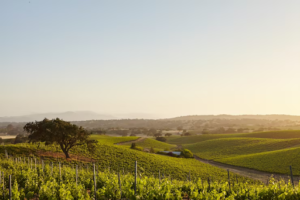
The winemaking here is world-class in a way that’s easy to say and harder to fully appreciate without spending real time in it. The appellations within Napa and Sonoma produce wines that taste meaningfully different from each other — Rutherford versus Stags Leap versus Dry Creek Valley — and understanding those differences takes more than a single visit.
The food has kept pace. The concentration of Michelin-starred restaurants, serious chef-driven spots, and farm-to-table operations that predate the trend is genuinely impressive within a relatively small area. You can eat exceptionally well every night for a week without covering the same ground twice.
The Italian Countryside (Specifically, Not Generally)
“Italy” is too large to be useful as a travel recommendation. The Italy worth returning to is specific: a particular region, a particular season, a set of producers and restaurants that you’ve built relationships with over multiple visits.
Piedmont in autumn, during truffle season, is one of the great food-travel experiences available to anyone willing to get there. The combination of Barolo and Barbaresco wine, white truffles, tajarin pasta, and the specific mood of the Langhe hills in October is hard to explain and harder to replicate. People who’ve done it once tend to go back.
Emilia-Romagna is the other answer — the region that produces Parmigiano-Reggiano, prosciutto di Parma, balsamic vinegar, and some of Italy’s most interesting cooking. It doesn’t have the scenic drama of Tuscany, which is exactly why it hasn’t been overrun.
Portugal: Lisbon and the Douro
Portugal emerged as a serious food and wine destination about a decade ago and has, in the years since, managed to absorb the attention without losing what made it interesting.
Lisbon is one of Europe’s most functional major cities — walkable, relatively affordable by Western European standards, with a restaurant scene that has developed quickly and well. The natural wine scene here is more advanced than most visitors expect, driven by a new generation of producers working with indigenous Portuguese varietals.
Among luxury travel destinations in Europe, the Douro Valley offers the rare combination of spectacular landscape and genuinely serious winemaking. The river terraces where port and dry Douro wines are produced are unlike any other wine region visually, and the quintas (wine estates) that accept visitors offer some of the most intimate winery experiences available.
Oaxaca, Mexico
Oaxacan food has received enough international attention now that calling it underrated would be inaccurate. But the experience of being there is still different in kind from reading about it.
The market culture, the complexity of the mole traditions, the mezcal producers working in styles that bear no relationship to commercial production, the relationship between the indigenous communities and the food — none of it translates into a list of restaurant recommendations. It has to be experienced directly, and it rewards multiple visits in a way that many food destinations don’t.
The best way to approach Oaxaca is to hire a guide for at least one day who has genuine access to producers and markets that aren’t part of the tourist circuit. What you learn on that day reframes everything else you do there.
The Basque Country, Spain
Stretching across northern Spain, the Basque Country is one of Europe’s most rewarding destinations for travelers who care as much about what they’re eating as where they’re going. San Sebastián often gets the headlines for having one of the highest concentrations of Michelin-starred restaurants in the world, but the region’s real appeal lies in its range. Traditional pintxo bars, family-run cider houses, coastal seafood restaurants, and innovative tasting menus all exist within a short drive of each other.
The landscape changes quickly—from rugged Atlantic beaches to green mountain villages and vineyard-covered hills in Rioja Alavesa—making it easy to combine food, wine, and outdoor exploration in a single trip. Local traditions remain deeply rooted, and many producers have been refining the same techniques for generations rather than chasing trends.
Like the best repeat destinations, the Basque Country reveals itself gradually. A first visit might focus on San Sebastián’s celebrated restaurants, while later trips uncover smaller fishing villages, independent wineries, local festivals, and neighborhood pintxo bars that never appear on “must-visit” lists. It’s a place where familiarity doesn’t diminish the experience—it deepens it.
A Note on What Makes a Place Worth Returning To
The places that make this kind of list aren’t always the most photogenic or the most famous. They share a different set of qualities: a depth of local food and drink culture that takes more than one visit to understand, a restaurant and producer scene with enough range to reward sustained attention, and some quality that makes the place interesting beyond just what you eat and drink there.
That last quality is hardest to define. It’s the difference between a trip you tell people about and a trip that changes how you think about food, wine, and the relationship between place and what gets produced there.
Both are legitimate. But only one of them brings you back.