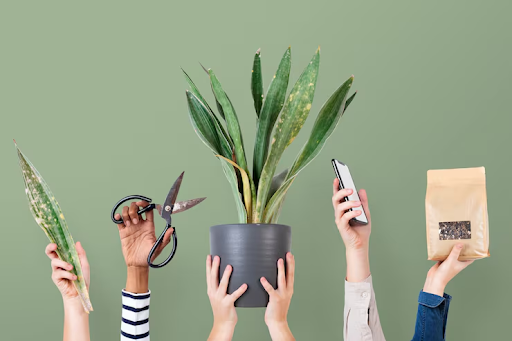
Buying plants used to mean going somewhere — a nursery, a market, a garden centre. You’d walk the rows, pick up pots, check the leaves, and make a decision based on what you could see and touch. That process had its charm, but it also had its limitations: you were restricted to what was in stock that day, in that location, at whatever price the seller had set.
Shopping for green plants online has changed that equation entirely. The selection available through a good platform is broader than any single physical nursery, care information is often more detailed, and the convenience of doorstep delivery removes one of the biggest barriers to getting started. But it also introduces a different challenge — choosing well when you can’t physically inspect what you’re buying.
Understanding What You’re Actually Looking For
Before browsing any platform, it helps to be honest with yourself about a few things.
How much light does your space actually get? This is the single most important factor in whether a plant will thrive in your home, and it’s the one most frequently misjudged. Many people describe their space as “bright” when it actually receives limited direct light. Before purchasing, observe how your shortlisted spots look at different times of day — morning, midday, and afternoon. A spot that gets two hours of direct morning sun is very different from one that gets six hours of afternoon sun.
How often will you realistically water? Be honest here. If travel, work schedules, or simply forgetting means you’ll water once a week at best, choose varieties that are adapted to that. Buying a moisture-loving fern when your schedule suits a snake plant is a recipe for frustration.
What’s the purpose? A plant for a bedroom corner, a balcony focal point, a kitchen windowsill herb, or a living room statement piece all have different requirements. Knowing the function narrows the field considerably.
How to Read an Online Plant Listing Well
Once you’re browsing, the quality of information in a listing tells you a lot about the seller.
Good listings specify the variety by its proper name, not just a generic category. “Pothos” is helpful; “golden pothos” or “marble queen pothos” is better, because care requirements can vary between cultivars. Listings that use only broad terms or stock photography without customer photos are worth approaching with caution.
Look for mentions of pot size and plant height at the time of shipping — this tells you what stage of development you’re getting. A 4-inch pot cutting and a mature 12-inch specimen are very different purchases, even if they’re the same species.
Customer reviews with photos are genuinely useful. They show you what the plant actually looked like on arrival, how the packaging held up, and whether the plant matched the listing description.
What Happens After the Plant Arrives
The first two weeks after delivery are the most critical period for a newly purchased plant. It’s gone through the stress of being uprooted, packed, transported, and moved into an entirely new environment. Some wilting or leaf drop in this window is normal and not a sign that something went wrong.
Resist the urge to repot immediately. Let the plant settle in its original container for at least a week, ideally two, before moving it to a new pot. Place it in its intended spot and leave it there rather than moving it around while it adjusts.
Watering during this period should be conservative. The stress of transit can make roots temporarily less efficient at absorbing water, and overwatering a stressed plant compounds the problem. Check the soil before watering rather than following any fixed schedule.
For those using online plant delivery for the first time, starting with one or two well-chosen varieties rather than a large order makes the acclimatisation process much more manageable.
Matching Plant to Room: A Quick Reference
Living room — Rubber plants, fiddle leaf figs, monstera, and areca palms all make strong visual statements and handle the light conditions typical of a well-lit living room.
Bedroom — Snake plants and peace lilies are popular choices. Both handle lower light and the snake plant in particular is noted for releasing oxygen at night, making it a natural fit for sleeping spaces.
Kitchen — Herbs like basil, mint, and curry leaf do well on sunny kitchen windowsills and have the added benefit of being useful. Pothos also thrives in kitchen conditions and handles the occasional splashes of water without complaint.
Balcony or terrace — Bougainvillea, hibiscus, marigolds, and succulents all perform well in outdoor Indian conditions, handling heat and direct sun better than most indoor varieties.
Home office — ZZ plants and snake plants are the go-to choices for workspaces with limited natural light. Both are slow-growing, undemanding, and contribute a calm, professional aesthetic.
Konklusion
Buying plants online works well when you approach it with the same attention you’d bring to any considered purchase. Know your space, read listings carefully, give new arrivals time to settle, and choose a platform that takes packaging and plant health seriously. The variety available online far exceeds what any single physical nursery can offer — and with the right choices, building a genuinely thriving indoor or outdoor garden from your phone or laptop is entirely achievable.
For More Info Visit:- flowactivo.org