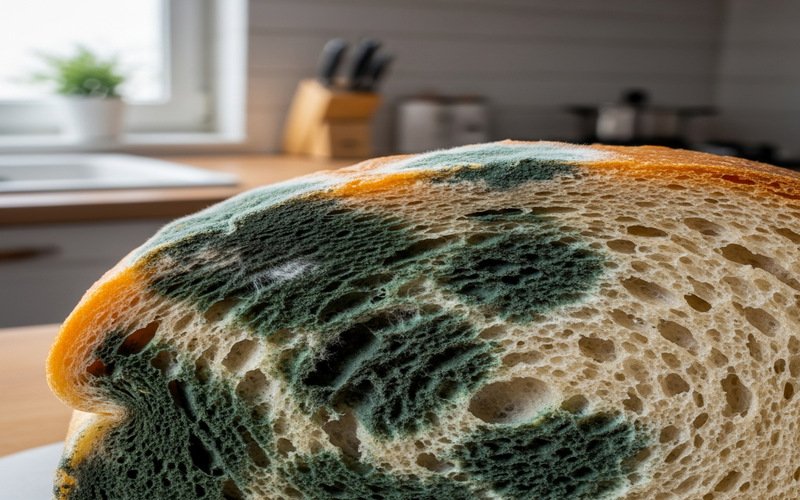
“I just ate mold… am I going to get sick?”
This is more common than you think. Many people accidentally eat moldy bread, especially since mold isn’t always visible right away.
The good news? In most cases, it’s not dangerous.
The bad news? It can be harmful depending on the situation.
In this expert-backed guide, you’ll learn:
- What happens inside your body after eating moldy bread
- Whether moldy bread can make you sick
- What doctors and food safety experts recommend
- Exactly what to do next
What happens if you eat moldy bread?
Eating a small amount of moldy bread is usually harmless for healthy individuals and may cause no symptoms or mild stomach discomfort. However, some molds produce toxic substances called mycotoxins, which can lead to nausea, allergic reactions, or illness, especially in sensitive individuals. If symptoms develop, medical advice should be sought.
What Is Mold on Bread?
Mold is a fungus that grows in moist environments. Bread, especially when stored improperly, becomes a perfect breeding ground.
Why Bread Gets Moldy Quickly
- High moisture content
- Exposure to air
- Warm storage conditions
- Lack of preservatives (fresh bread)
Common Types of Mold Found on Bread
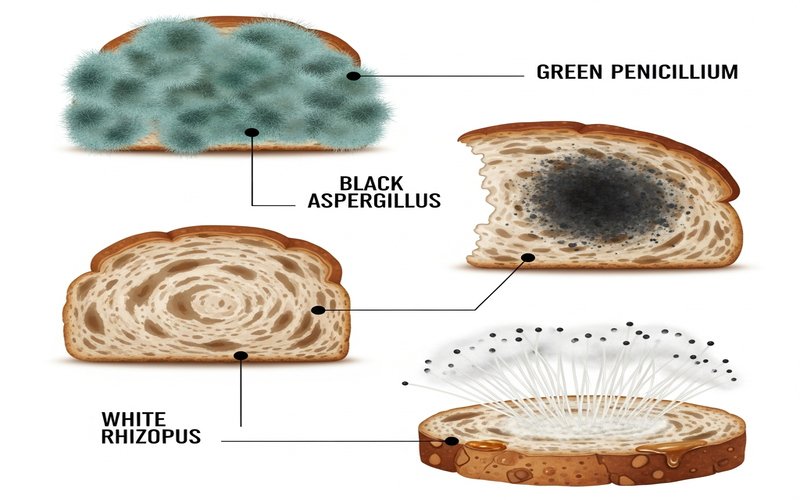
| Mold Type | Appearance | Risk Level |
| Penicillium | Green/blue spots | Moderate |
| Aspergillus | Black/yellow | Can produce toxins |
| Rhizopus | White → black fuzzy | Common |
Important Insight
What you see on the surface is only part of the mold.
Invisible roots (called hyphae) spread deep inside the bread.
What Happens If You Eat Moldy Bread?
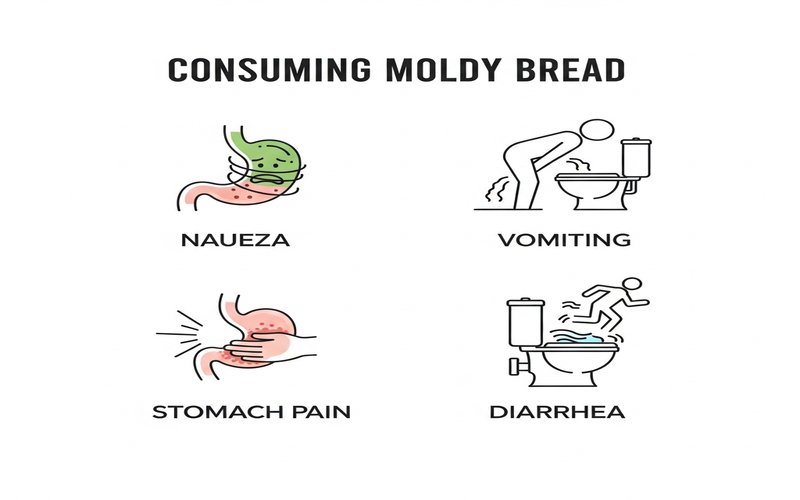
Let’s break it down based on real-world scenarios.
1. Nothing Happens (Most Cases)
If you accidentally ate moldy bread:
- You’ll likely be fine
- Your stomach acid destroys small amounts of mold
This is the most common outcome.
2. Mild Symptoms
Some people may experience:
- Nausea
- Slight stomach discomfort
- Temporary digestive upset
These usually pass quickly.
3. Can Moldy Bread Make You Sick?
Yes, especially in certain conditions.
Possible symptoms:
- Vomiting
- Diarrhea
- Stomach cramps
This happens if:
- You eat a larger amount
- The mold produces toxins
- You have a sensitive stomach
4. Allergic Reactions
People with mold allergies may experience:
- Sneezing
- Runny nose
- Skin irritation
- Breathing difficulty
Higher risk if you have asthma.
5. Rare but Serious Risks (Mycotoxins)
Some molds produce mycotoxins, harmful compounds that can affect health.
Potential Risks:
- Food poisoning
- Immune system stress
- Long-term exposure issues (rare)
High-Risk Groups
- Children
- Elderly
- Pregnant women
- People with weak immune systems
Expert Insights: What Doctors & Food Safety Experts Say
Health professionals consistently emphasize:
“Accidental exposure is usually harmless—but moldy bread should never be consumed intentionally.”
Key Expert Points:
- Mold spreads beyond visible spots
- Cutting off mold does NOT make bread safe
- Soft foods (like bread) should always be discarded
Food safety rule:
“If you see mold on bread, throw away the entire loaf.”
Can You Cut Off Mold and Eat the Rest?
Why This Is Dangerous:
- Mold roots spread internally
- Toxins may already be present
- Bread is porous → contamination spreads easily
This is one of the biggest food safety mistakes.
What To Do If You Accidentally Ate Moldy Bread
Step-by-Step Guide:
1. Stay Calm
Most cases are not serious
2. Drink Water
Helps your digestive system
3. Monitor Symptoms
Watch for:
- Nausea
- Vomiting
- Allergic reactions
4. Seek Medical Help If Needed
If you experience:
- Severe symptoms
- Breathing issues
- Persistent discomfort
Moldy Bread vs Safe Mold Foods
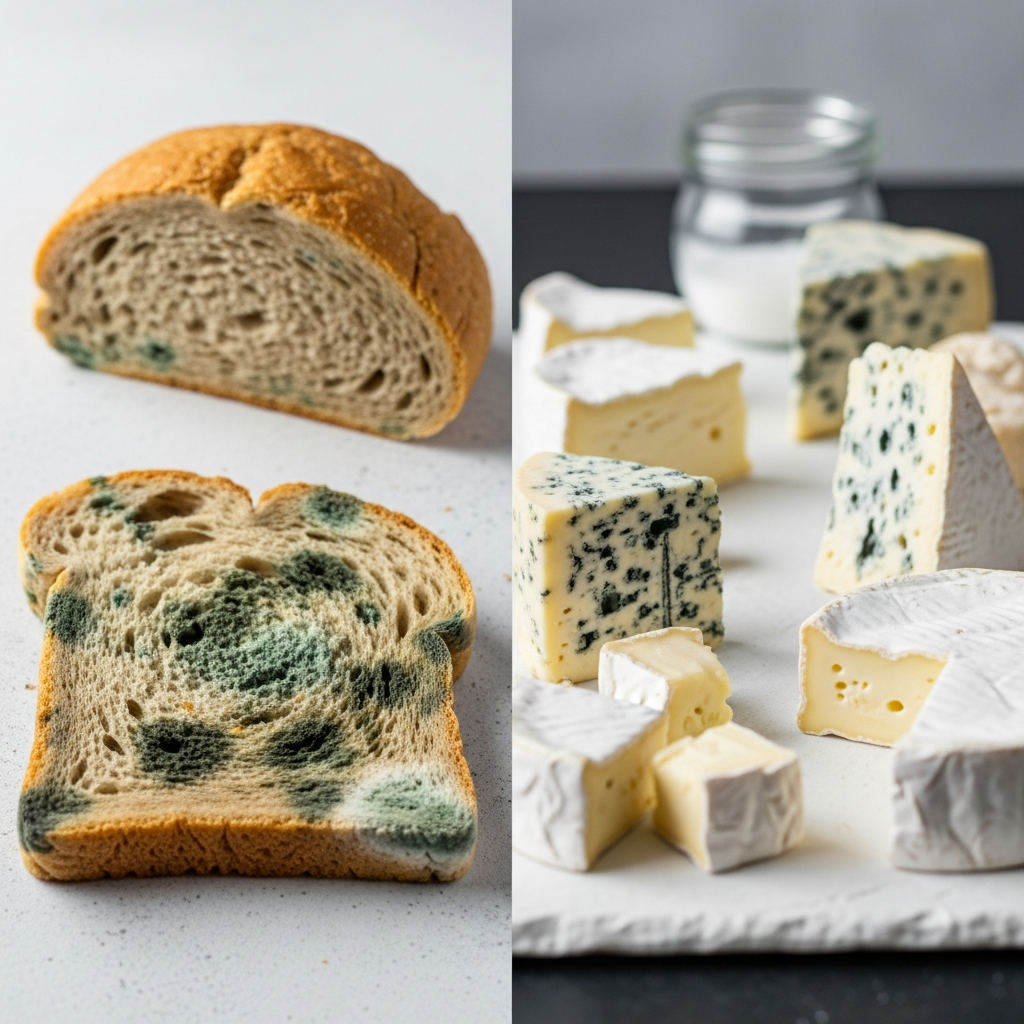
Not all mold is harmful, but context matters.
Safe Mold Foods:
- Blue cheese
- Brie
- Camembert
These use controlled mold cultures.
Why Bread Mold Is Unsafe:
- Uncontrolled growth
- Unknown toxins
- Rapid contamination
Conclusion:
Safe mold is intentional. Bread mold is not.
How to Prevent Bread from Getting Moldy
Smart Storage Tips
- Keep bread sealed
- Store in a cool, dry place
- Avoid humidity
Freezing Bread (Best Method)
- Stops mold growth
- Extends shelf life up to 3 months
Refrigeration Myth
- Slows mold slightly
- Dries bread faster
Bread Shelf Life Guide
| Bread Type | Shelf Life |
| Fresh bread | 2–3 days |
| Packaged bread | 5–7 days |
| Frozen bread | Up to 90 days |
Moldy Bread vs Fresh Bread
| Factor | Moldy Bread | Fresh Bread |
| Safety | Risky | Safe |
| Appearance | Fuzzy, discolored | Clean |
| Smell | Musty | Neutral |
| Health Impact | Possible illness | Safe |
| Recommendation | Discard | Eat |
Practical Tips to Stay Safe
- Always check bread before eating
- Don’t rely on smell alone
- Store bread properly
- Freeze excess bread
- Never ignore visible mold
Final Verdict
Eating moldy bread once by accident is usually harmless, but it’s not something you should ignore or repeat.
Key Takeaways:
- Small exposure = low risk
- Repeated exposure = potential harm
- Mold spreads beyond what you see
- Bread should always be discarded if moldy
Golden rule:
“When in doubt, throw it out.”
Konklusion
Accidentally eating moldy bread can be scary, but now you know the facts. With the right knowledge, you can avoid unnecessary panic and make safer food choices every day. Understanding how mold works, recognizing early signs, and storing food properly can help prevent future risks entirely.
Take control of your food safety today, stay informed, stay careful, and always check before you eat!
FAQ
What happens if you eat a small amount of moldy bread?
Usually nothing serious. Most people experience no symptoms or mild discomfort.
Can moldy bread make you sick?
Yes, especially if consumed in larger amounts or if you are sensitive to mold.
Is moldy bread dangerous?
It can be, particularly for vulnerable individuals or repeated exposure.
Is it safe to toast moldy bread?
No. Heat does not destroy all toxins.
How fast do symptoms appear?
Within a few hours in most cases.
Can I cut mold off bread and eat it?
No. Mold spreads internally.