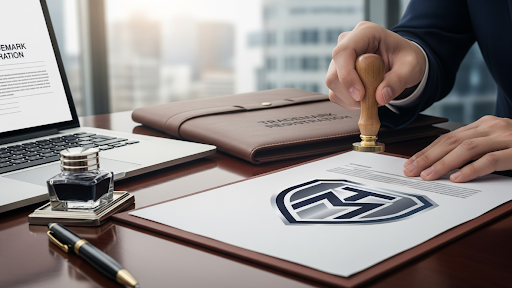
Starting a new business comes with big decisions. You have to pay close attention to how to protect your brand. Many founders wonder if they need copyright registration services for their company name. The short answer to this is no. A company name copyright registration isn’t the right tool for that job. Copyrights and names just don’t go together the way people often assume. Understanding the difference early can save you time, money, and confusion down the road.
What Copyright Actually Covers
Copyright protects creative works, such as things you write, draw, record, or design. Think books, music, photos, software code, or videos. It doesn’t cover names, slogans, or short phrases. That means your startup’s name, no matter how clever, won’t qualify for copyright protection.
- Books, songs, films, and artwork are protected.
- Logos may be protected if they’re artistic enough.
- Names, titles, and taglines are not covered.
- Copyright doesn’t stop others from using your business name.
Name Needs Trademark Protection
If you want to protect your company name, you need a trademark, not a copyright. A trademark guards anything that identifies your brand in the marketplace: your name, logo, or slogan. It tells customers, “This is us,” and stops competitors from using something too similar.
- Trademarks apply to brand identifiers.
- They work across products and services.
- Federal registration gives nationwide rights.
- You can use the ® symbol after approval.
Confusion Between Copyright and Trademark
It’s easy to mix up these two types of protection. Both are forms of intellectual property, but they serve different purposes. The purpose of copyright is creative expression, and of trademark is brand identity. Using the wrong one leaves your business exposed.
- Copyright = what you create.
- Trademark = who you are.
Registering a logo might involve both artistic design and brand use.
But a plain text company name? Only trademark applies
When Copyright Might Still Matter for Your Startup
Even if your name isn’t copyrighted, your startup likely creates things that should be. Website content, marketing videos, app interfaces, or custom illustrations, all of these can benefit from copyright registration services.
- Protect original website copy or blog posts.
- Secure rights to custom graphics or animations.
- Guard software code or user manuals.
- Stop others from copying your creative assets.
Risks of Skipping Proper Protection
Many new business owners think that just using a name, like putting it on a website or business card, automatically protects it. In reality, you only get limited “common law” rights this way, and those rights usually apply only in your local area. If someone else files for a federal trademark on the same or a similar name first, they could end up with stronger legal rights. This also happens even if you used it earlier in your town.
- Someone else could trademark your name.
- You might have to rebrand after spending on marketing.
- Legal fights become expensive without formal registration.
Copyright won’t help if your issue is about your name.
What Real Protection Looks Like
For full protection, most startups should consider two steps:
- Copyright means a shield for your original content
- Both can coexist, but serve separate roles
- One doesn’t replace the other
Timing Matters
It is better not to wait until you’re sued or forced to change your name. The best time to act is before you print business cards, buy domain names, or launch ads. Early registration locks in your rights and shows investors you’re serious about your brand.
Filing early establishes your claim.
- Reduces risk of infringement claims.
What It All Means
Your startup’s name is at the heart of your brand, but U.S. law doesn’t allow you to protect it with copyright. With copyright registration services, it becomes easy for you to focus on trademarking your name and using copyright to guard your original creative work.