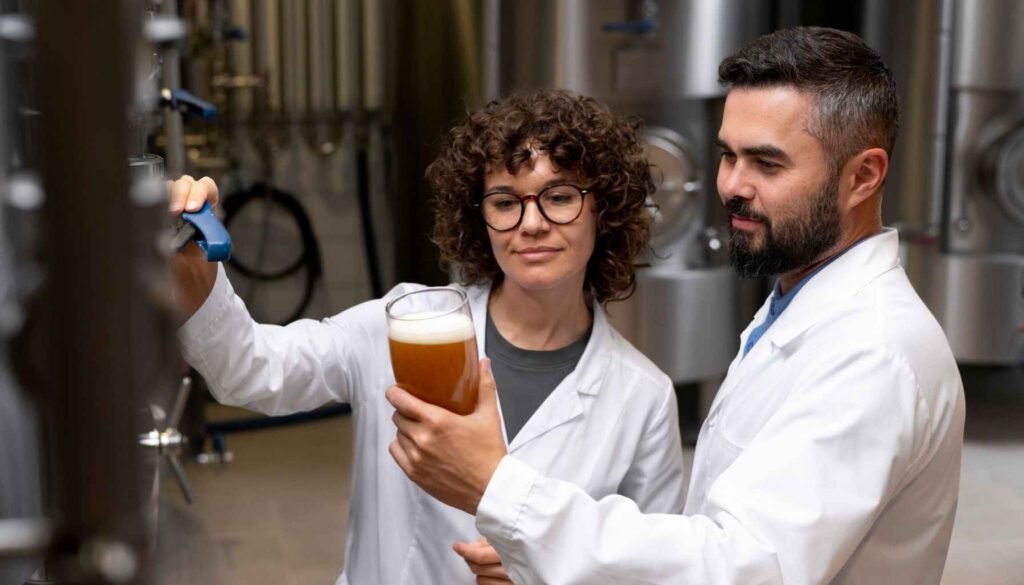
The beverage industry is constantly evolving, driven by changing consumer preferences, technological advancements, and regulatory challenges. As we step into 2026, beverage developers must navigate a complex landscape to stay competitive. This article explores innovative strategies and trends that will shape the future of beverage development, providing valuable insights for industry professionals.
In 2026, the role of beverage development consultants is more crucial than ever. These experts help companies craft unique products that align with current market trends and consumer demands. With the rise of health-conscious consumers, sustainability concerns, and technological innovation, consultants must integrate diverse elements into the development process.
Embracing Technological Innovations
Technology continues to revolutionize the beverage industry. In 2026, artificial intelligence and machine learning play significant roles in product formulation and market analysis. Companies are leveraging AI to predict flavor trends, optimize ingredient combinations, and streamline production processes. These technologies enable rapid prototyping and testing, reducing time-to-market for new products.
Blockchain technology is also gaining traction, providing transparency in supply chains. Consumers increasingly demand to know the origins of their beverages, and blockchain offers a verifiable way to track ingredients from farm to bottle. This transparency builds trust and can be a strong selling point for products positioned as ethical or sustainable.
Prioritizing Health and Wellness
Health and wellness remain dominant themes in beverage development. In 2026, consumers are more informed and selective about what they consume. There is a growing demand for functional beverages that offer health benefits beyond hydration. Ingredients like adaptogens, probiotics, and nootropics are becoming mainstream in product formulations.
Developers are also focusing on reducing sugar content and introducing natural sweeteners. The trend towards “clean label” products, which are free from artificial additives and preservatives, continues to grow. This shift requires careful formulation to maintain taste and quality while meeting consumer expectations for healthier options.
Sustainability as a Core Principle
Sustainability is not just a buzzword; it’s a core principle in beverage development. Companies are adopting sustainable practices in sourcing, production, and packaging. In 2026, the use of biodegradable and recyclable materials is becoming standard. Brands are innovating with plant-based packaging and exploring ways to reduce their carbon footprint.
Water usage is another critical concern. Beverage manufacturers are investing in technologies that minimize water consumption and promote efficient use of resources. This approach not only addresses environmental concerns but can also improve cost efficiencies in production.
Customization and Personalization
Personalization is a key trend driving consumer engagement. Beverage companies are offering customizable products, allowing consumers to tailor flavors and ingredients to their preferences. This trend is facilitated by advances in digital ordering systems and smart vending machines that can mix and match components on demand.
The rise of direct-to-consumer (D2C) models further supports personalization. Companies can gather data directly from consumers to refine products and marketing strategies. This direct feedback loop helps brands stay agile and responsive to market changes.
Navigating Regulatory Challenges
The regulatory landscape for beverages is becoming increasingly complex. New regulations around health claims, ingredient transparency, and environmental impact are being introduced globally. Staying compliant requires vigilance and proactive adaptation to changes in legislation.
Beverage development consultants play a vital role in navigating these challenges. They provide expertise in regulatory affairs, ensuring that products meet all necessary compliance requirements. Their insights can prevent costly delays and enable smoother market entry.
The Role of Collaboration
Collaboration is essential in the beverage industry. Partnerships between manufacturers, suppliers, and technology providers can accelerate innovation and enhance product offerings. In 2026, collaborative efforts are focusing on co-creating products that align with both consumer demands and sustainability goals.
Open innovation platforms are emerging, where companies can share ideas and resources to develop breakthrough products. These platforms foster a culture of innovation and can lead to unexpected synergies and successful outcomes.
Conclusion
The beverage industry in 2026 is characterized by rapid technological advancements, a strong focus on health and sustainability, and an increasing demand for personalization. Beverage development consultants are key players in this dynamic environment, helping companies navigate complexities and capitalize on emerging trends. By embracing innovation and collaboration, industry professionals can ensure their products meet the evolving needs of consumers and regulatory standards.