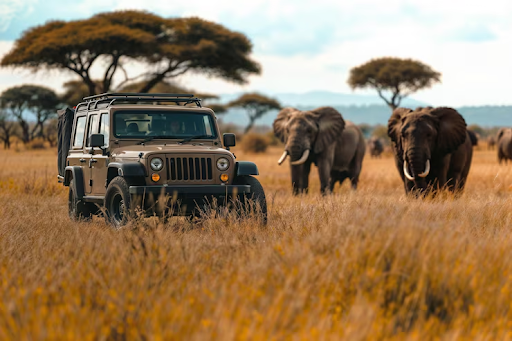
Wildlife photography tours represent the pinnacle of nature photography experiences, offering enthusiasts unparalleled opportunities to capture stunning images of animals in their natural habitats. These specialized expeditions combine travel, education, and artistic expression into immersive adventures that transform how photographers interact with the natural world. Wildlife photography tours have evolved significantly over the past two decades, shifting from simple sightseeing trips to sophisticated, conservation-focused experiences that prioritize both photographic excellence and environmental responsibility.
What Defines Exceptional Wildlife Photography Tours
The Small Group Advantage
The most effective wildlife photography tours operate with intentionally limited group sizes, typically accommodating five to six participants maximum. This constraint isn’t merely about comfort—it fundamentally transforms the photographic experience. Smaller groups minimize environmental disturbance, allowing animals to exhibit natural behaviors that translate into more authentic and compelling images. Photographers benefit from unobstructed sightlines, reduced competition for prime shooting positions, and personalized guidance from expert leaders who can address individual skill levels and creative goals.
Expert Leadership and Instruction
Professional tour leaders bring decades of field experience and technical expertise to every expedition. These specialists understand animal behavior patterns, optimal lighting conditions, and the subtle environmental cues that precede remarkable photographic moments. Their guidance extends beyond basic camera settings to include advanced techniques such as predictive focusing for birds in flight, exposure compensation for challenging lighting conditions, and composition strategies that convey narrative depth in wildlife imagery.
Essential Destinations for Wildlife Photography Tours
African Safari Experiences
The African continent remains synonymous with premier wildlife photography tours, offering diverse ecosystems from the Okavango Delta’s intricate waterways to the Serengeti’s vast plains. These regions offer extraordinary opportunities to photograph the “Big Five” and countless bird species, predators, and migratory herds. The best tour schedules activities during golden hours when animals are most active and light quality is optimal for dramatic imagery.
Asian Wildlife Hotspots
India’s national parks have emerged as world-class destinations for wildlife photography tours, particularly for those seeking to photograph Bengal tigers, leopards, and endemic bird species. The subcontinent’s varied topography—from Himalayan foothills to tropical forests—supports incredible biodiversity. November through March offers ideal conditions, with reduced vegetation increasing visibility and pleasant temperatures facilitating extended field sessions.
Technical Preparation for Wildlife Photography Tours
Equipment Selection Strategies
Successful wildlife photography tours demand careful equipment planning. A versatile telephoto lens in the 400-600mm range proves essential for maintaining safe distances while filling frames with compelling subject matter. Fast autofocus systems and high frame rates enable capture of split-second action sequences. However, equipment recommendations should balance capability with portability, as photographers often navigate challenging terrain during extended field sessions.
Field Craft and Ethical Considerations
Ethical wildlife photography tours emphasize minimal disturbance principles. This includes maintaining appropriate distances, avoiding flash photography that may startle nocturnal species, and never baiting or calling animals for photographic advantage. The most respected tour operators integrate conservation education into their itineraries, helping participants understand how their images can support habitat protection and species preservation efforts.
Maximizing Your Wildlife Photography Tour Investment
Pre-Trip Skill Development
While wildlife photography tours welcome participants of varying skill levels, pre-trip preparation significantly enhances the experience. Practicing with your equipment in local parks, studying animal behavior guides, and reviewing the work of established wildlife photographers builds foundational skills. Many tour operators provide pre-departure materials covering destination-specific species, recommended camera settings, and packing lists tailored to environmental conditions.
Post-Processing and Image Management
Modern wildlife photography tours recognize that exceptional images require both field capture and digital refinement. Leading tours incorporate post-processing workshops where participants learn raw file optimization, noise reduction techniques for high-ISO images, and ethical digital asset management. These sessions transform good captures into portfolio-worthy photographs while maintaining authenticity in wildlife representation.
Conclusion
Wildlife photography tours offer transformative experiences that extend far beyond simple vacation travel. These specialized expeditions combine technical skill development, environmental education, and cultural immersion into cohesive adventures that deepen both photographic capabilities and conservation awareness. By selecting tours that prioritize small groups, expert leadership, and ethical practices, photographers contribute to sustainable tourism models that protect the very subjects they seek to immortalize. Whether tracking tigers in India’s forests or photographing migratory birds in South American wetlands, these tours create lasting memories while fostering a profound connection to Earth’s remaining wild places.